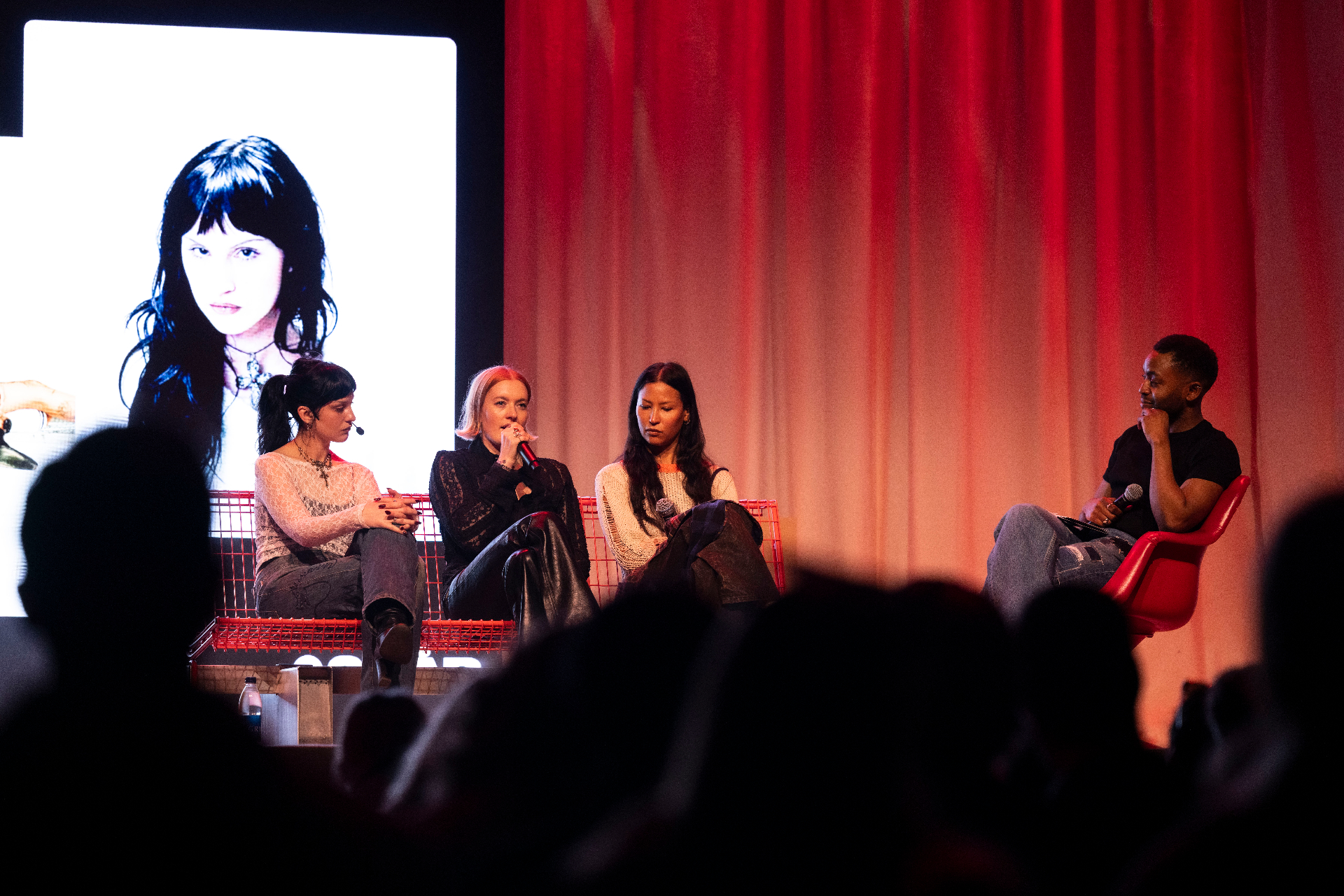
The Artist Perspective
Streaming, Discovery, and the Saturation Era
After five days of system, infrastructure, capital and policy, Tuesday gave the microphone back to the artist.
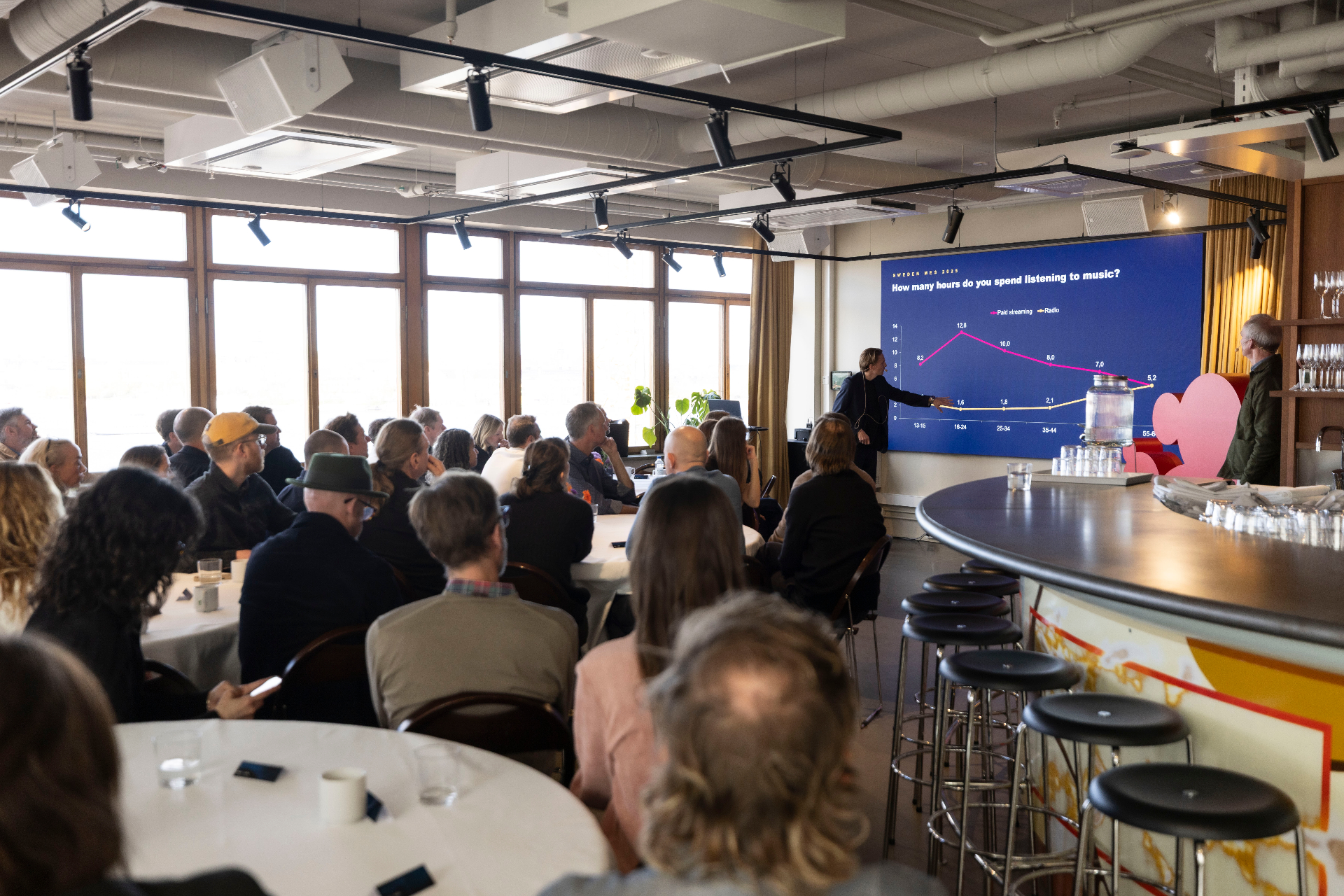
Spotify hosted the morning session at Fållan, opened by Andy Sloan-Vincent, Head of Music for Spotify Northern Europe, with the figures that frame the entire week's economic case. With the Swedish edition of Spotify's annual Loud & Clear report now released, the service highlighted that nearly two billion SEK was paid out to rightsholders in Sweden in 2025, and that 557 Swedish artists are generating royalty payouts of more than 500,000 SEK. Half of all streaming royalties to Swedish artists go to independents. Two thirds of those royalties come from listeners outside Sweden. Female artists and mixed bands represent half of Sweden's top earners on the platform, leading the world.
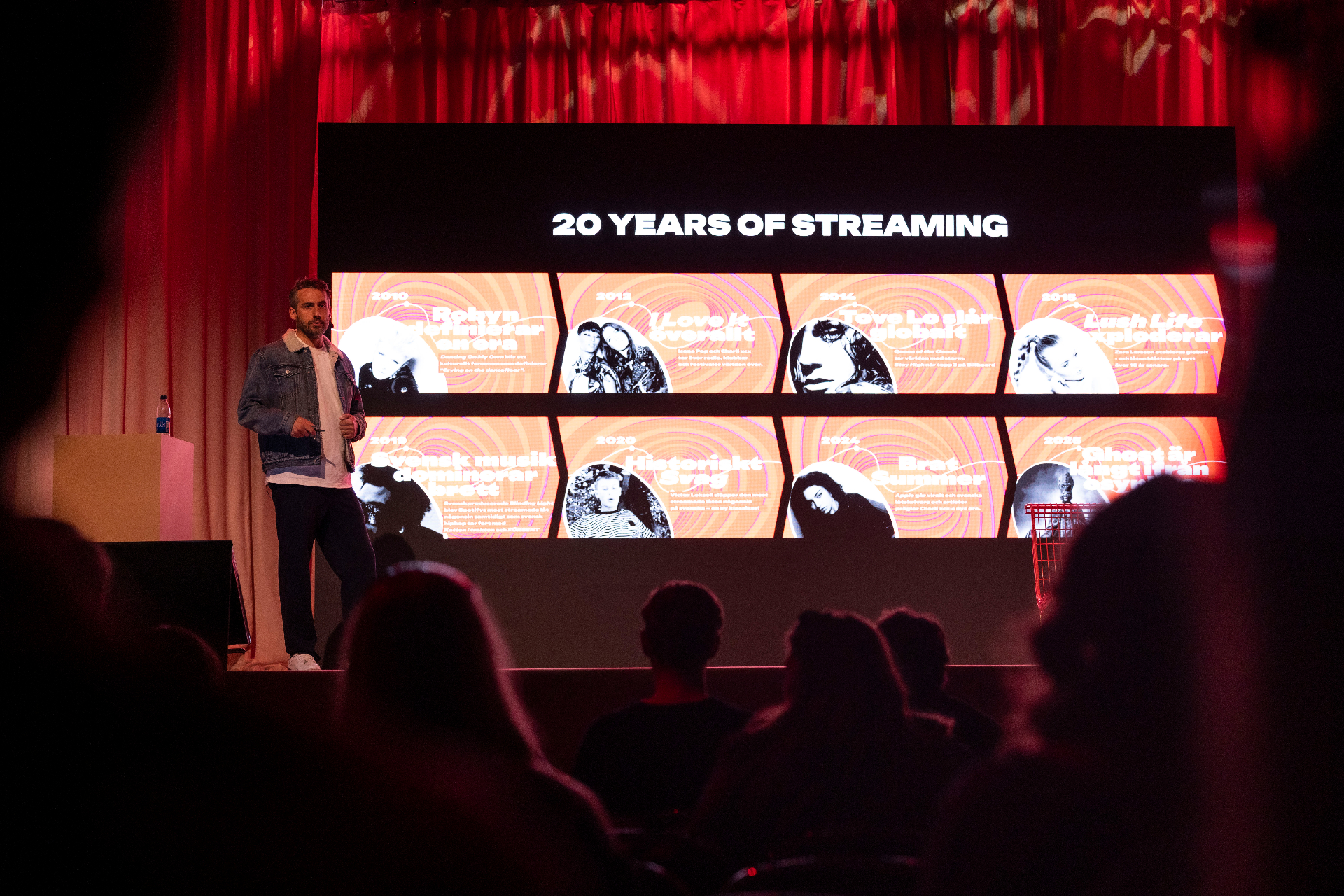
Then came the report. Daniel Johansson, who had authored A Decade of Discovery: Swedish Artists on Spotify 2015–2025, was unable to attend. Julia Levander of Spotify presented in his place. The data, drawn from a decade of platform statistics, mapped three eras: the expansion era from 2015, when Spotify rolled out into 80 new markets and the supply of artists doubled; the pandemic era of 2020 to 2022, when distribution opened and streams spiked; and now, what Levander named the saturation era.
Sweden has reached a saturation era. There is only so much more audience to gain in Sweden specifically. Emerging artists today need to think global from the start.
Julia Levander, Spotify
The clearest single number landed mid-presentation. In 2015, 96 percent of songs in Sweden's Spotify Top 200 were new releases. In 2025, it is split fifty-fifty between new music and catalogue, defined as anything older than 18 months. Catalogue, Levander argued, is just music people listen to. New artists are competing with every great song that was ever released.
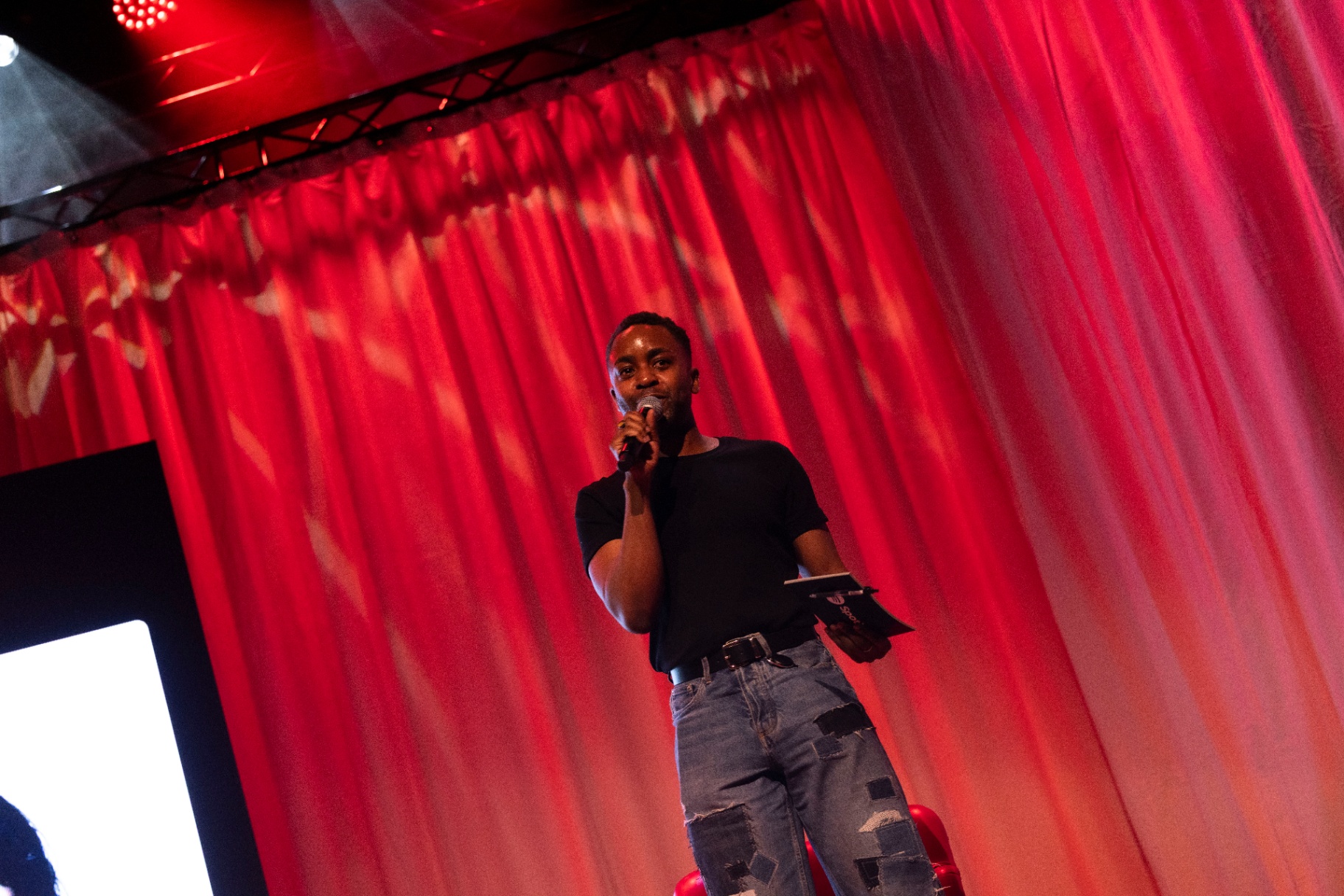
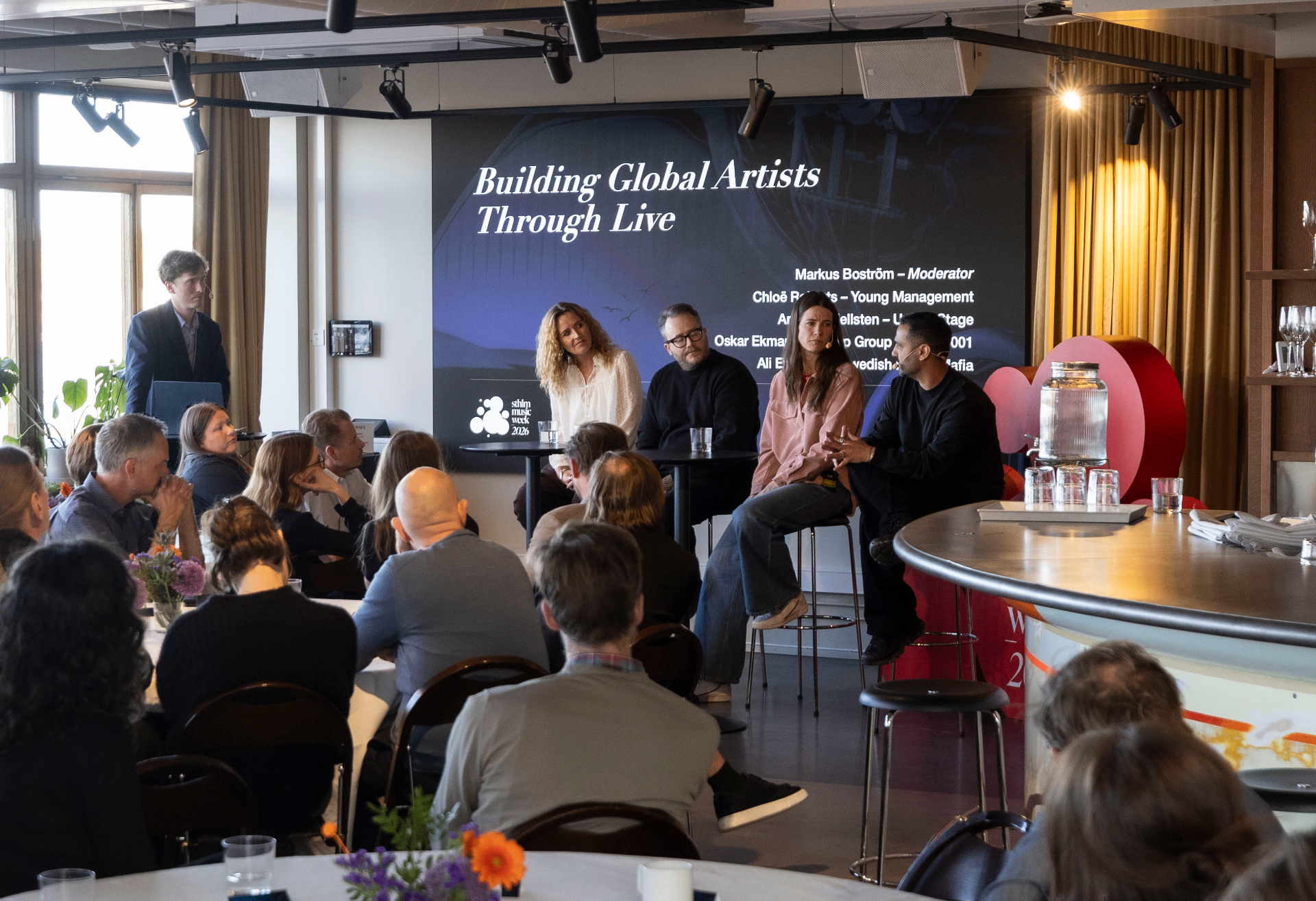
The panel that followed, with Naomi Wood of Playground Music, Jakob Emtestam of The Very Good, and Sloan-Vincent, drew the practical conclusion: the game has shifted from streams to engagement. From casual listener to superfan. From a launch moment to a slowly built community.
Emtestam pointed to the structural problem beneath the data. Sweden has cut a third of its rehearsal rooms in recent years. Music Norway has a budget many times the size of Export Music Sweden's. The breakthrough artists of 2036 will not appear if the pipeline that produced them is left to thin out.
Let's take some of that gun money and put it into flutes.
Jakob Emtestam, The Very Good
It is also, he added, much cheaper.
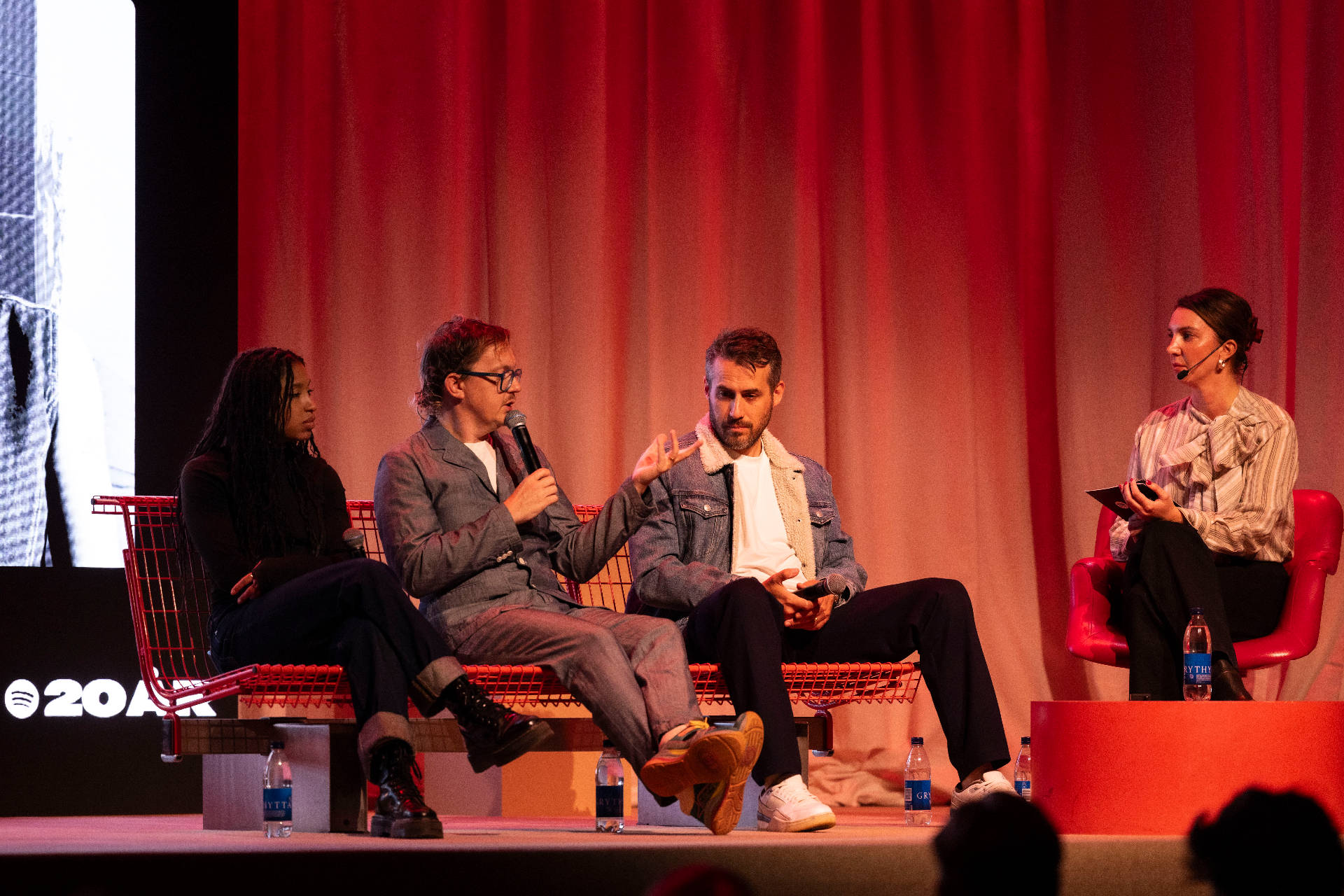
The case study turned out to be in the building. Emtestam pointed to Olga Myko, who had performed at the opening dinner the week before and would close out Tuesday's session in conversation with Icona Pop, as the model.
Olga has millions of streams. You'd expect her to be on this stage performing in front of a massive crowd. A couple of years ago you could have taken a shot at doing a bigger event. Now I think this is the way to do it.
Jakob Emtestam, The Very Good
Smaller. More intimate. Closer to the people who actually care.
That argument was then taken by the artists themselves. Aino Jawo and Caroline Hjelt of Icona Pop, who broke through in what Sloan-Vincent had earlier called the expansion era, sat down with Olga Myko, who is breaking through now. Three Swedish artists across two eras, on what it actually takes to build a career that lasts.
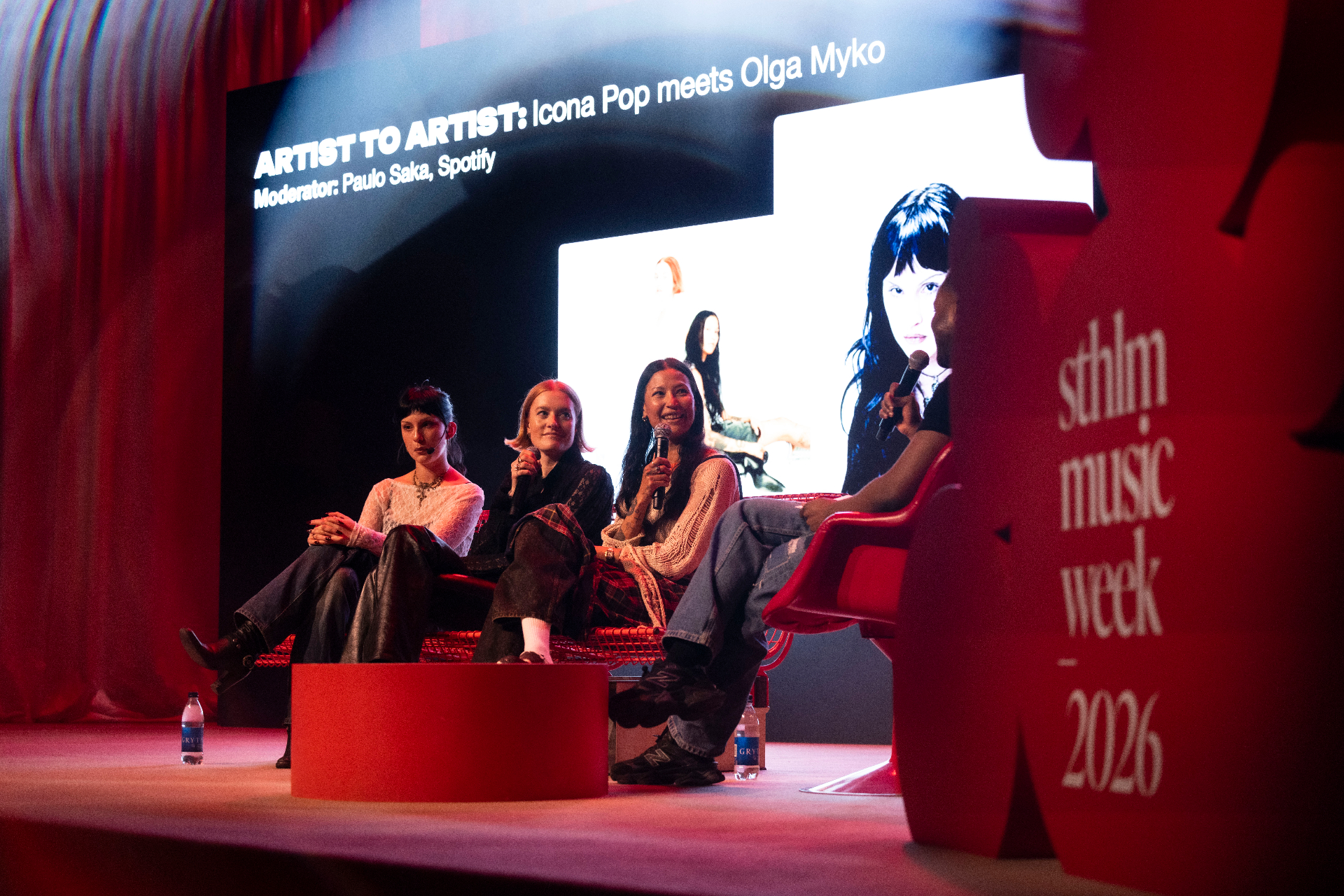
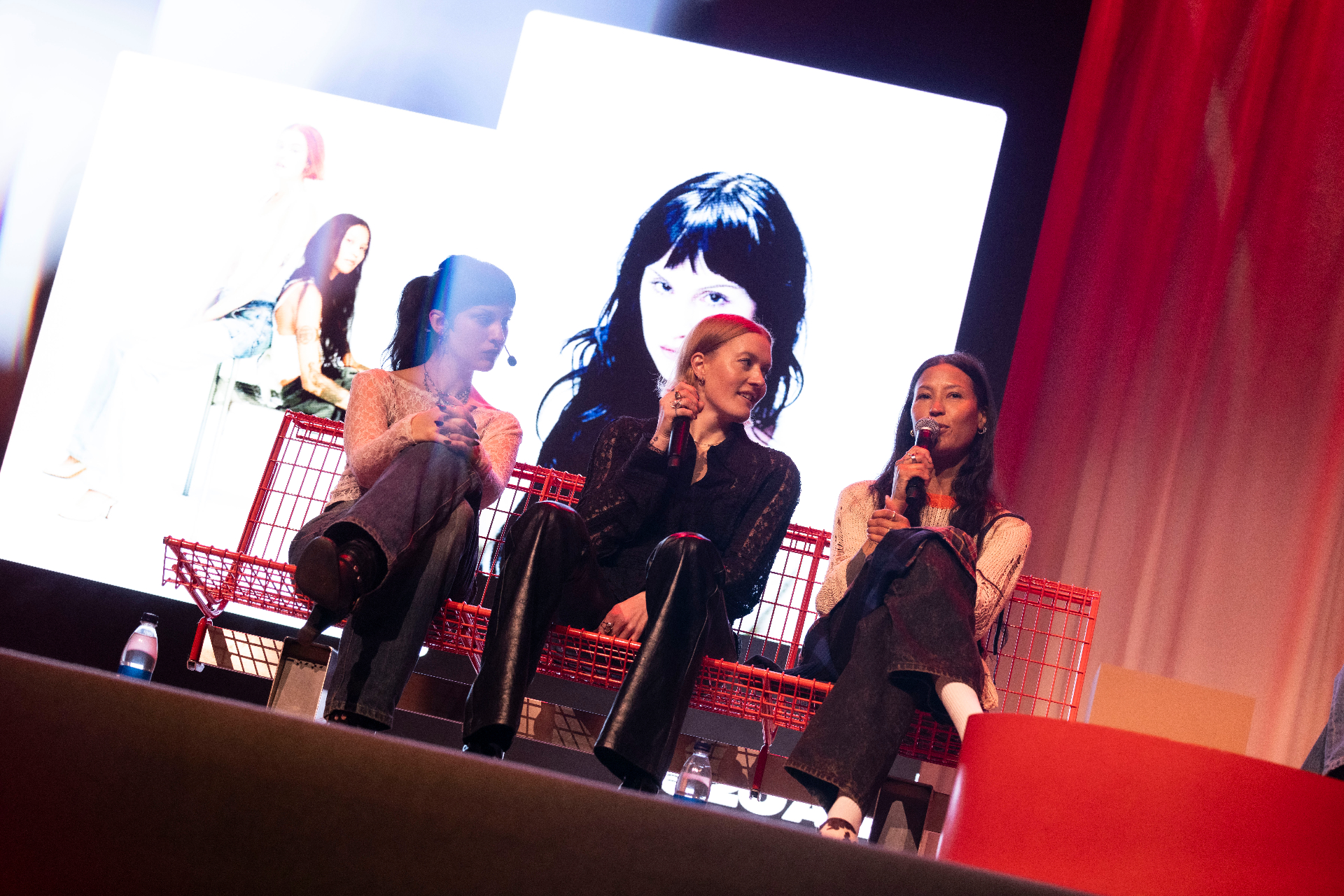
Icona Pop on what their breakthrough required in 2012: radio, three US states a day, blogs, a TV-series sync moment. Get signed, get on radio, get heard. Olga Myko on what her breakthrough required in 2025: a video she filmed with her best friend in the studio reacting to their own song, posted to TikTok, that grew. Useless metrics for an industry built on entirely different terms a decade earlier.
The conversation kept returning to one principle. Build from the ground up. Take time. Resist the urge to chase the trend.
Be super intentional with every move. Do what your gut feeling tells you. Build your bricks very wisely and have fun with it. A viral moment can be gone overnight, and then you're standing there asking what to do.
Olga Myko, artist
Hjelt offered the version that came from twelve years of touring.
Today you can develop together with your audience. Before, it was so much pressure on every single song. If it didn't fly, what do I do now? Now it feels easier to have an ongoing conversation with your fans, which is a positive thing.
Caroline Hjelt, Icona Pop
The most concrete example arrived from a sauna in New York the week before. Icona Pop, on tour, invited their hardcore fans to join them in a sauna ritual to listen to unreleased songs. Two fans turned up alone, met each other, became friends. That, Hjelt said, is what I want with the fan base I am building right now. A safe space and a community.
It is so underestimated to play. If I am not playing, I do not want to do music. The bricks have to be built wisely, and slowly, and you have to have a good team that wants the best for you.
Aino Jawo, Icona Pop
The argument across both panels was the same. The streaming era taught the industry to chase the moment. The saturation era is teaching it to build the room.
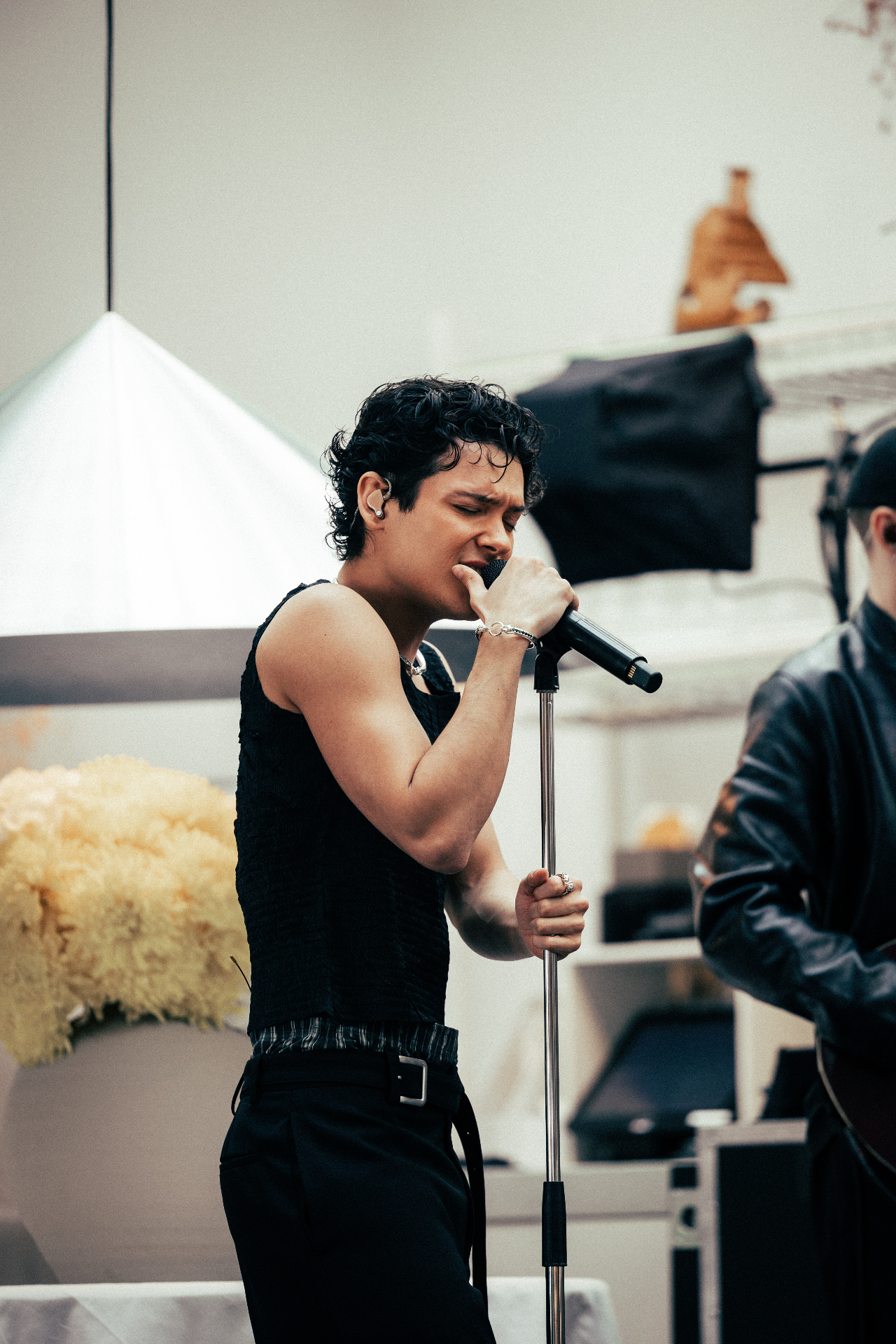
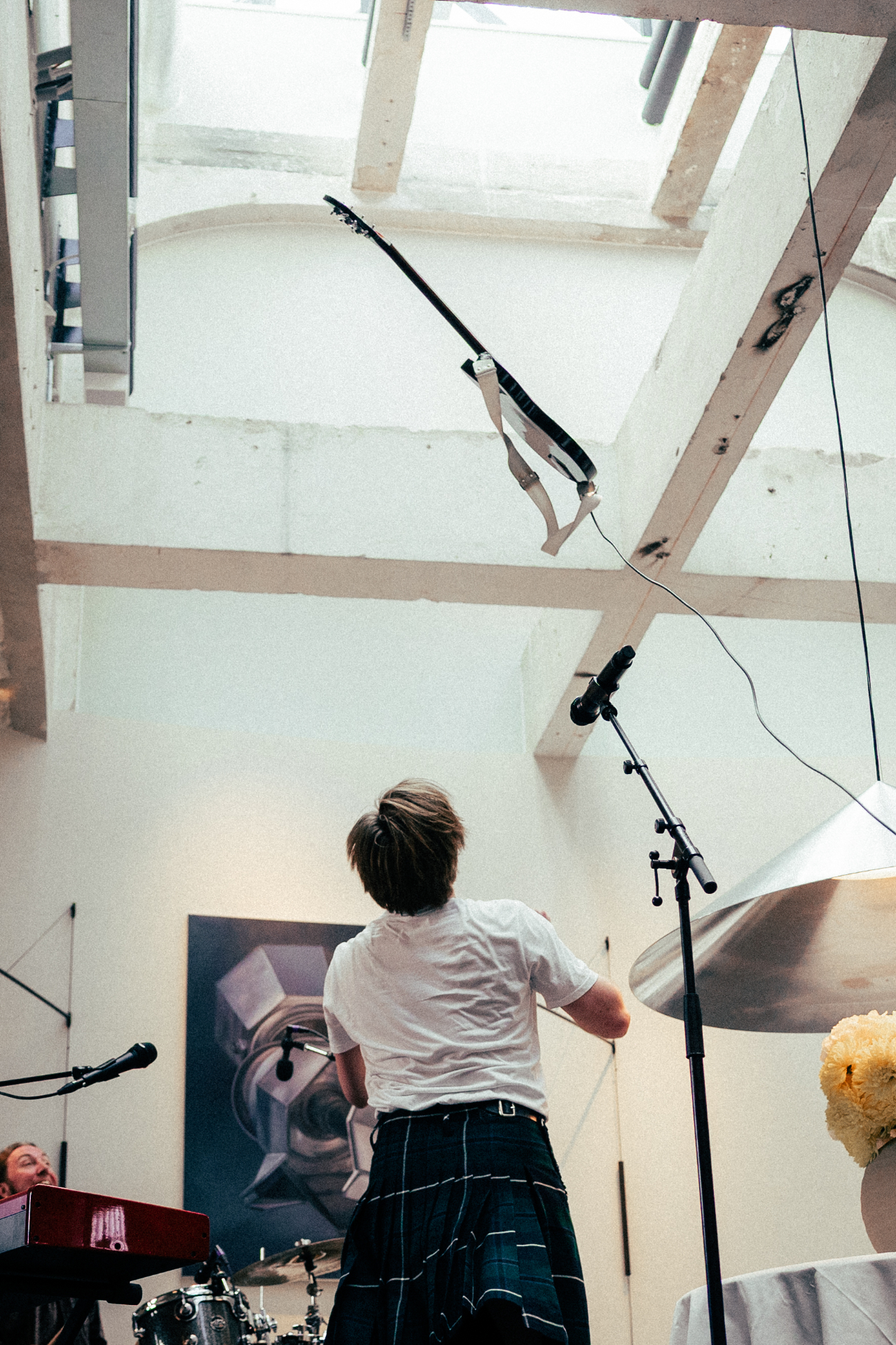
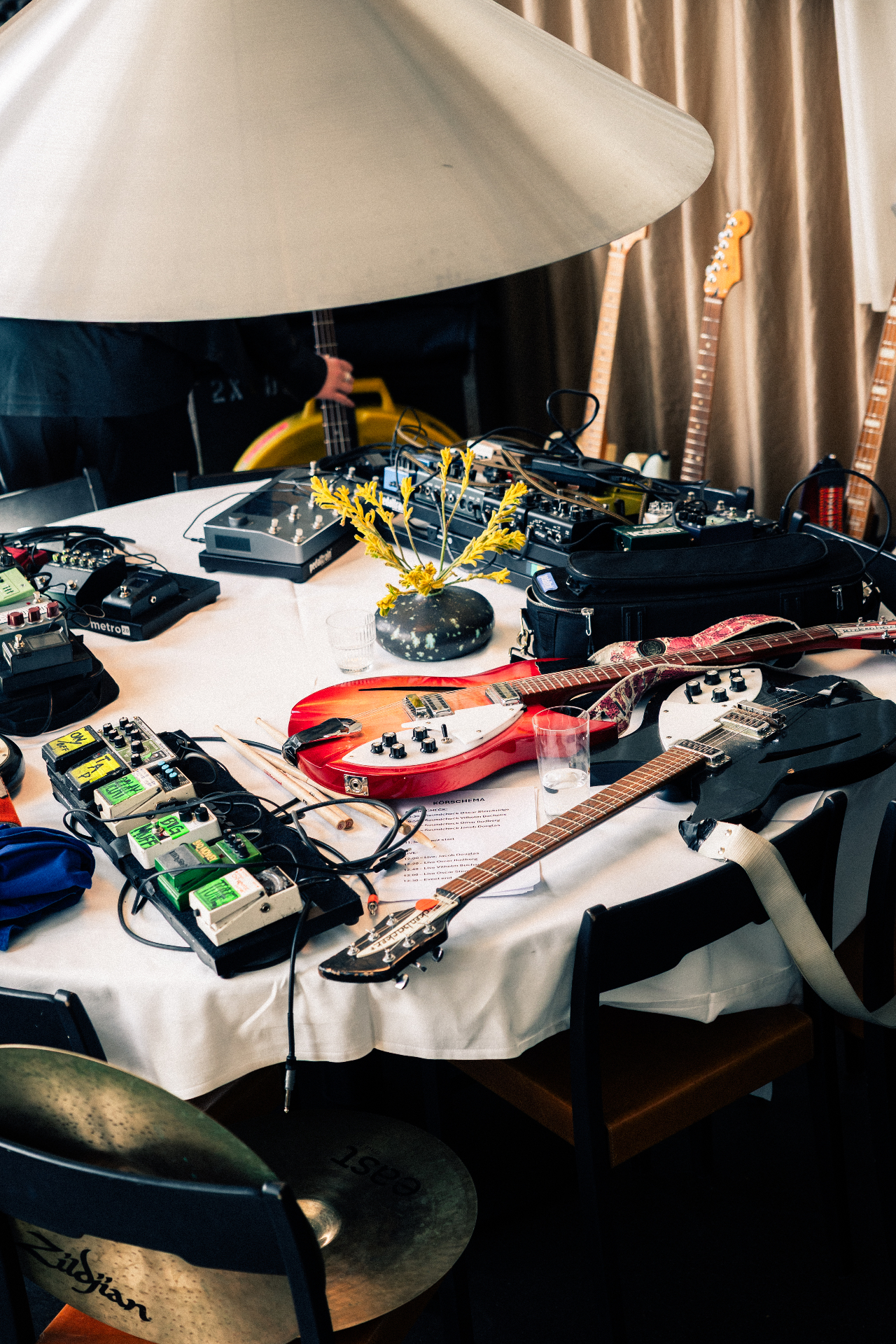
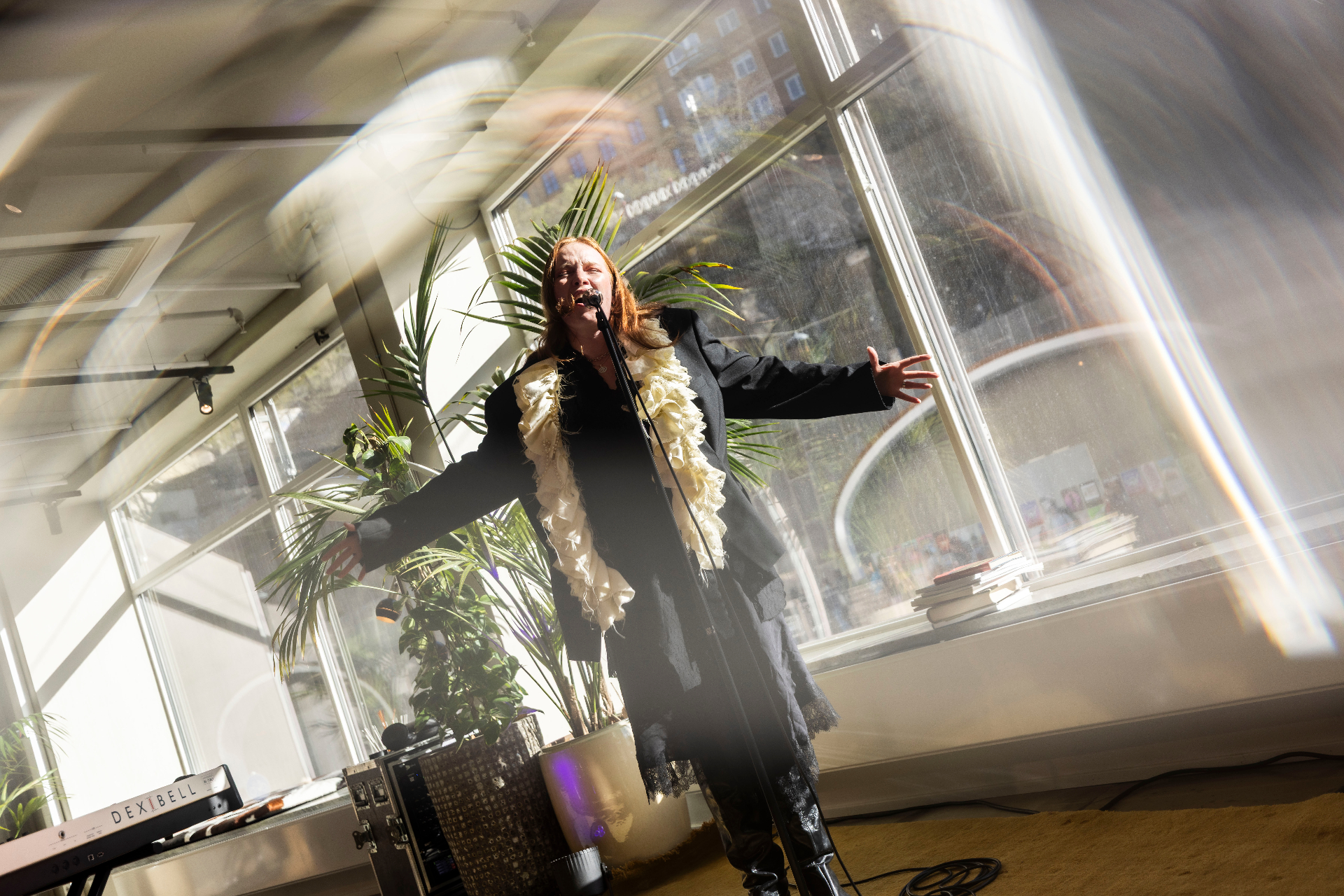
At lunch, Amuse and TEN Music Group hosted a showcase at Solen with live performances from Omar Rudberg, Jacob Douglas and Vilhelm Buchaus, three of the most discussed names emerging from Stockholm this year. Twenty minutes apiece, an intimate room, the same logic Emtestam had described from the morning panel made physical.

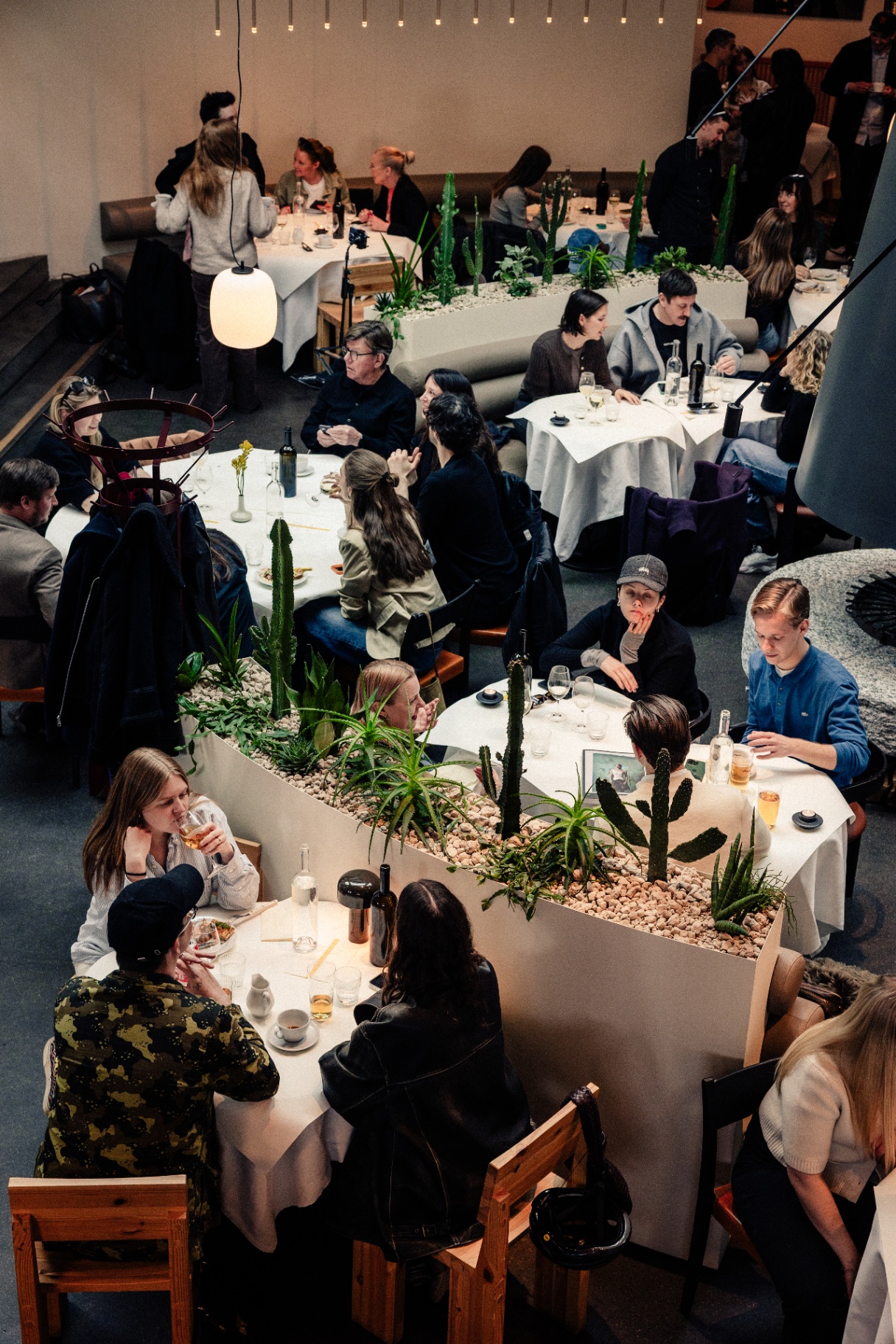
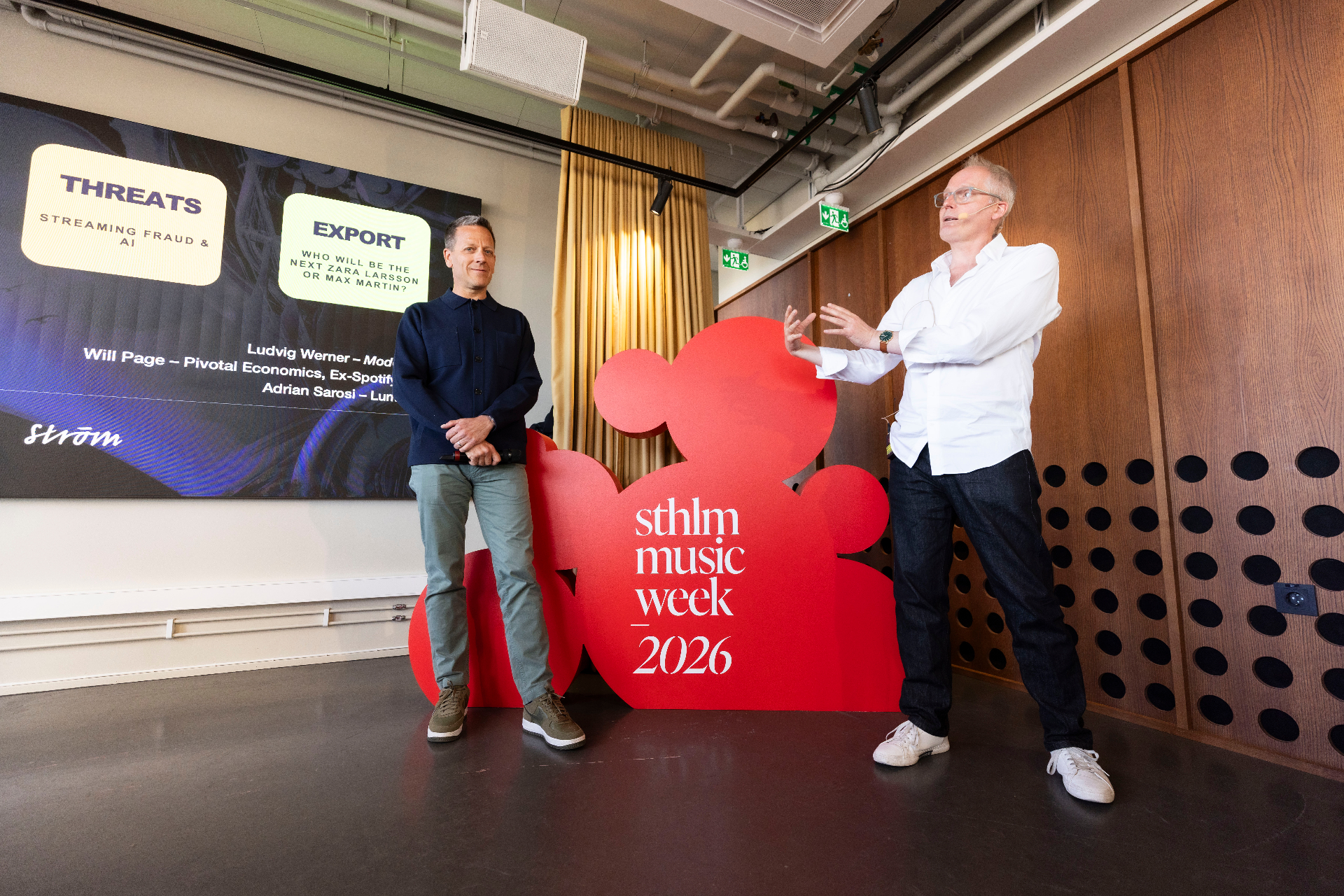
In the afternoon, IFPI Sverige and Ström gathered the industry at AHouse in Katarinahuset for the Global Music Report & Industry Power Dinner. An exclusive evening of global perspectives on the music industry, framed around the year's Global Music Report, followed by dinner, panel discussions and networking with leading industry voices. The room pulled together label heads, publishers, platform leadership and policy figures, the same constellation that had moved through the week's rooms now sitting down together over one table to read the global numbers in a Swedish context.
The day closed at The Node on Sergels torg with Hey Brother, where Avicii Experience and The Node turned Tim Bergling's legacy outward through DJs, choir performances, live concert footage and open studios. A panel on the future of music brought together Per Sundin of Pophouse, Tilda Hagel, A&R at Universal Music, and music journalist Johannes Cakar.
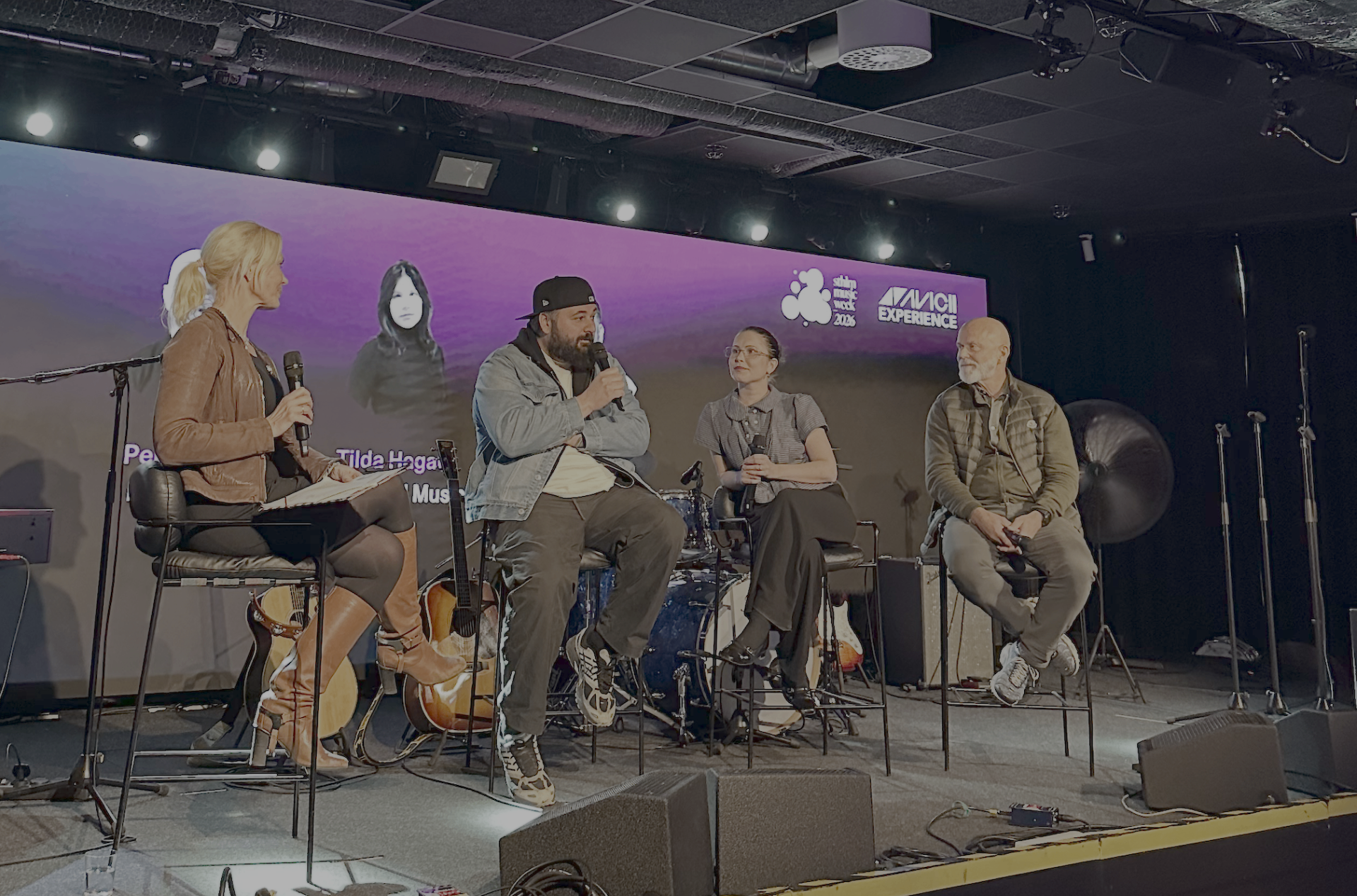
Sundin closed by tracing Tim Bergling's own path into music. He was a World of Warcraft gamer. He watched a Basshunter documentary, recognised the software on screen, downloaded Fruity Loops, and started making music with the digital tool of his moment. Sundin's point, in tracing that path, was to place the entire week's AI debate in a slightly different light.
If Fruity Loops isn't an AI synthesizer of its time, I don't know what is.
Per Sundin, President, Pophouse
He noted that the Tim Bergling Foundation has now built eight free youth music studios across Sweden, from Umeå to Malmö, with a ninth opening in Norrköping later this year. Rentable for 100 SEK an hour. The legacy made physical.
After Monday's Dolby House at IMRSV with Klas Bergling and GERD, the second time in 24 hours that Tim Bergling's musical journey shaped a Stockholm Music Week room.
Six days in. One left.