The Kick-Off
A Room Without Precedent
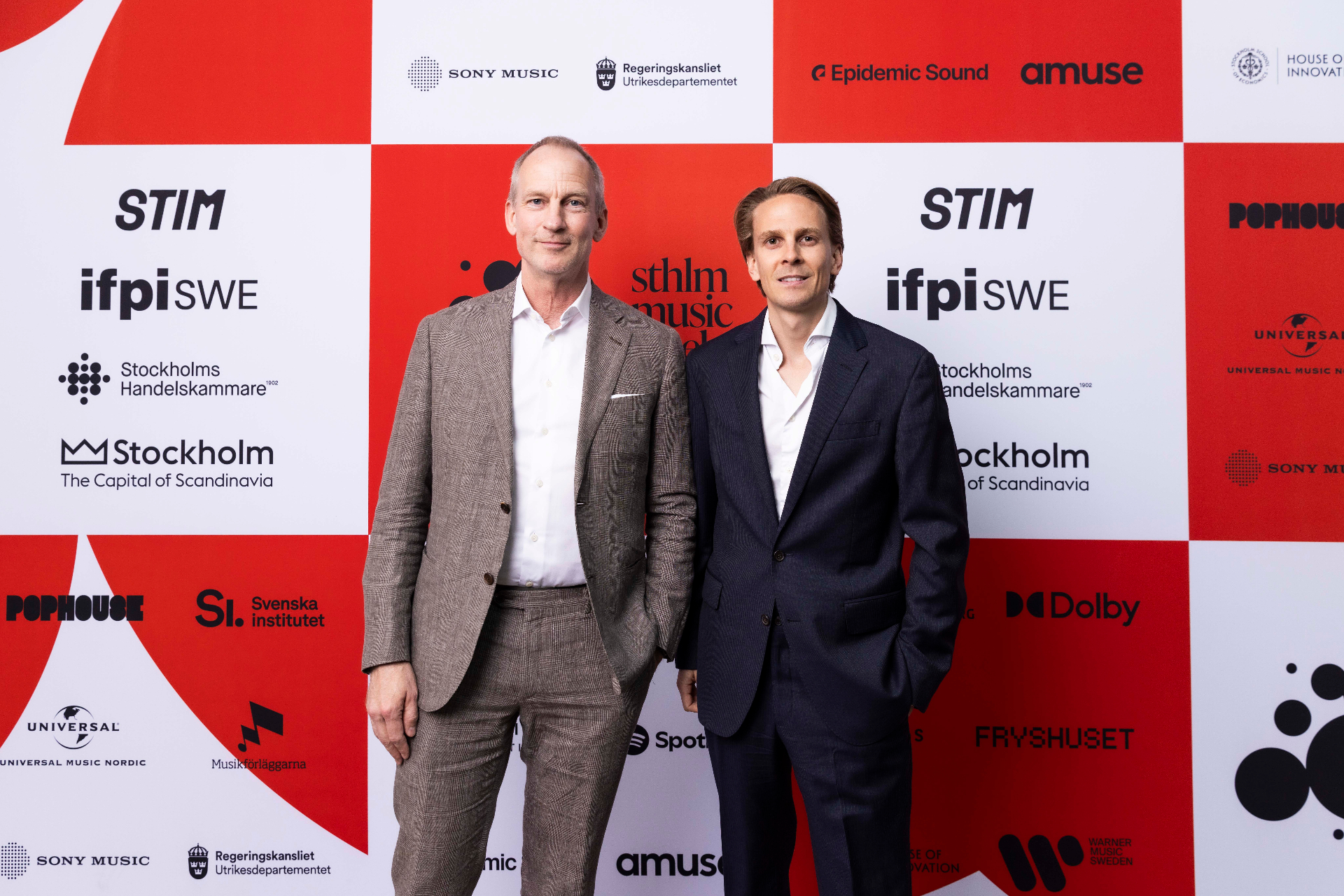
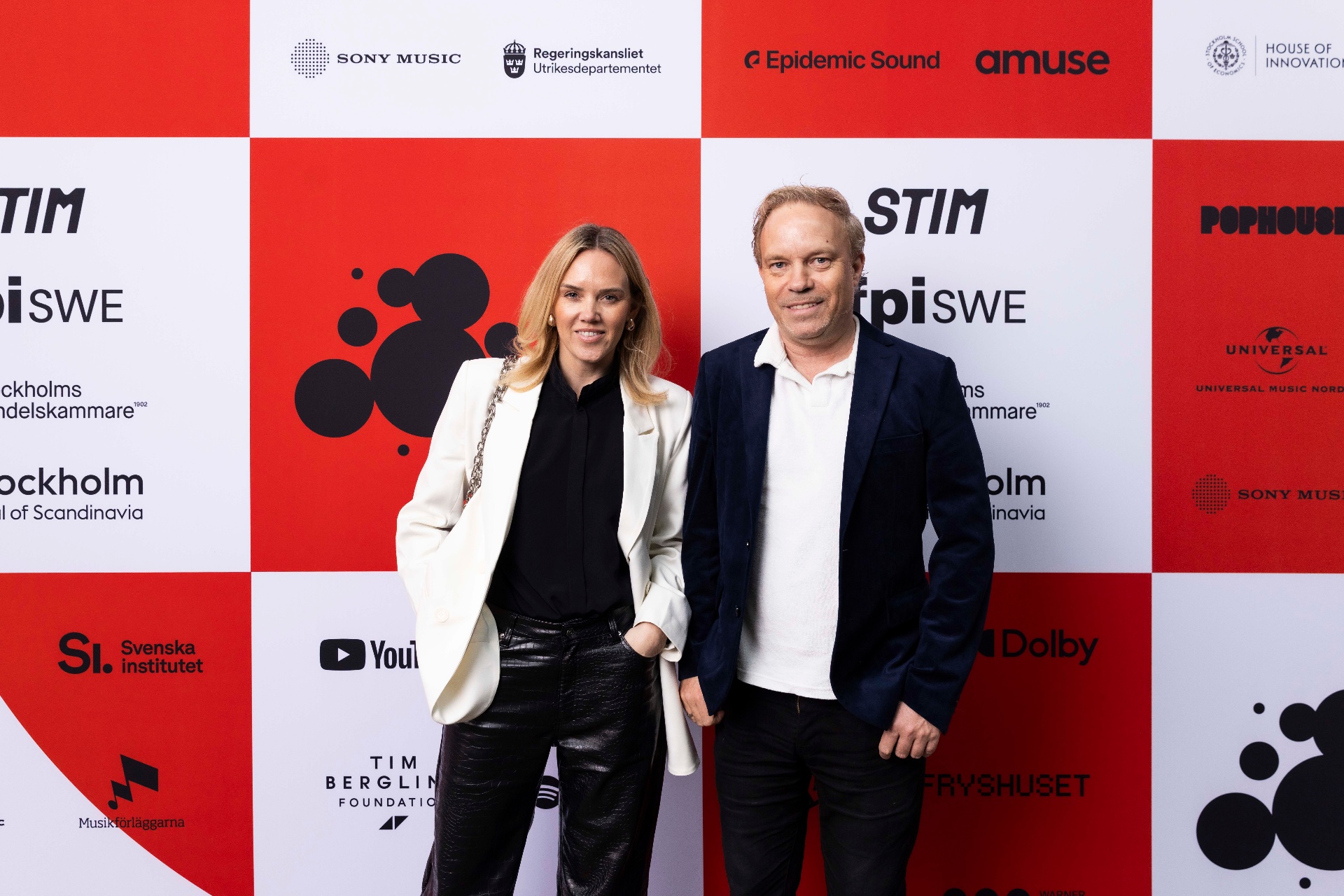
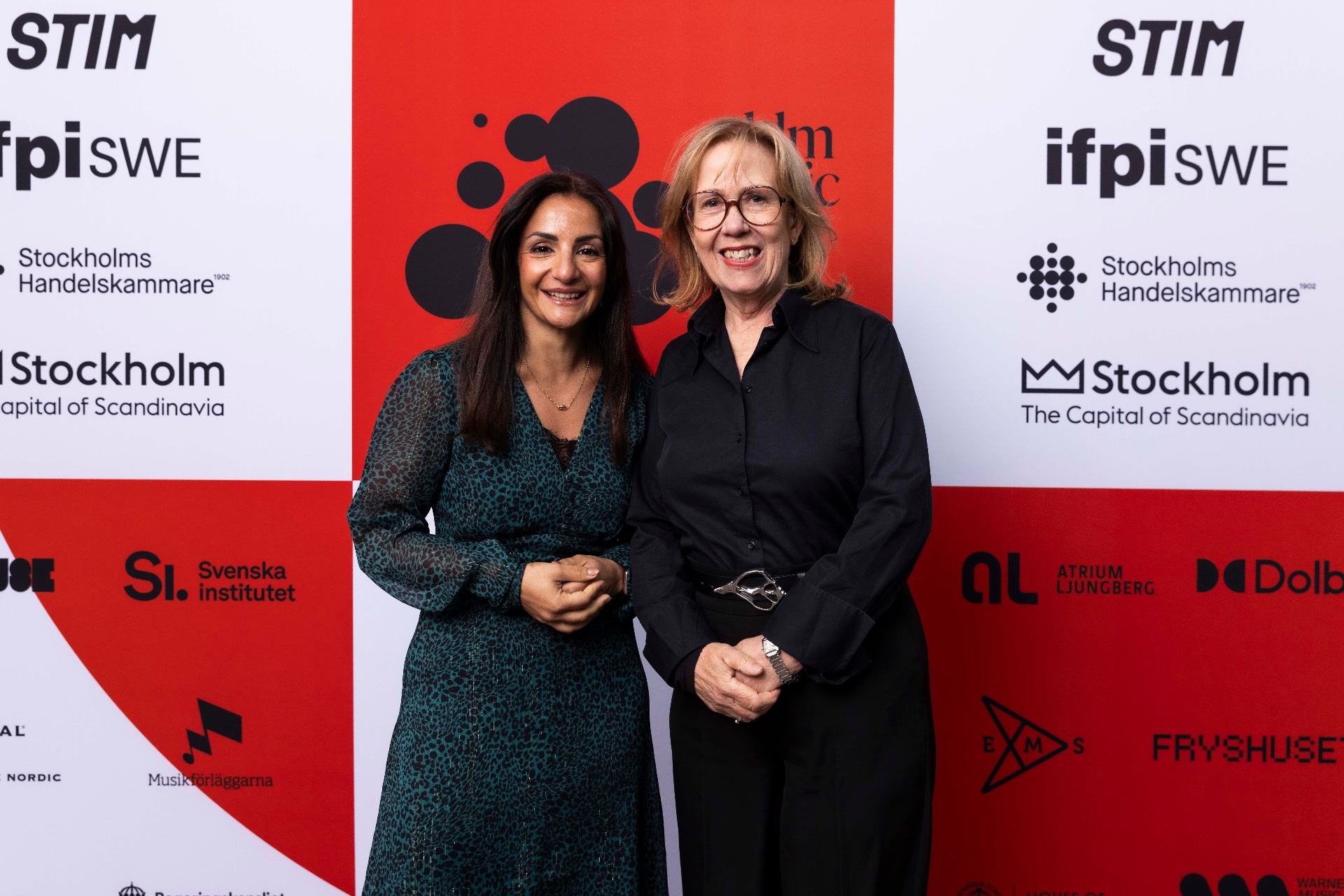
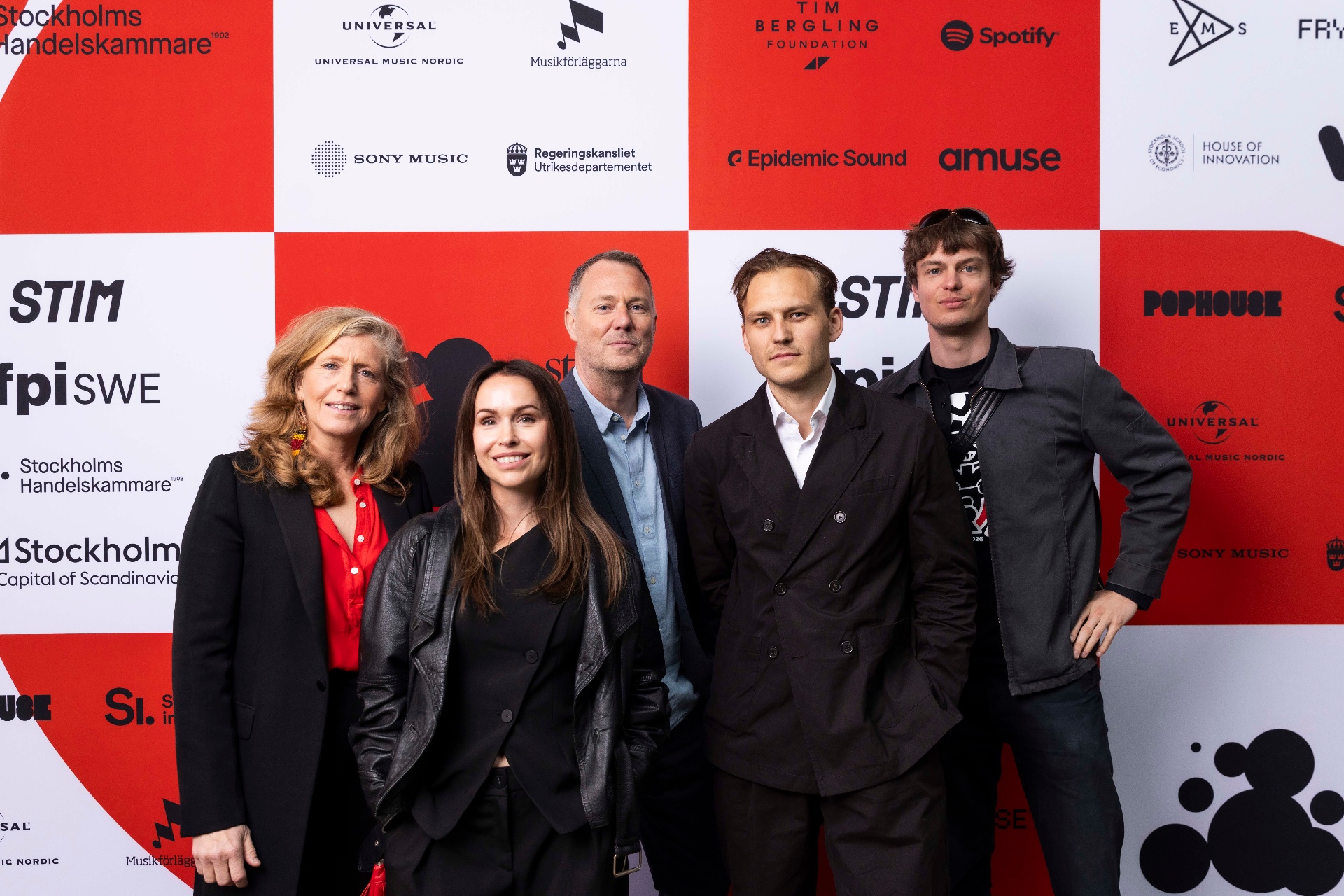
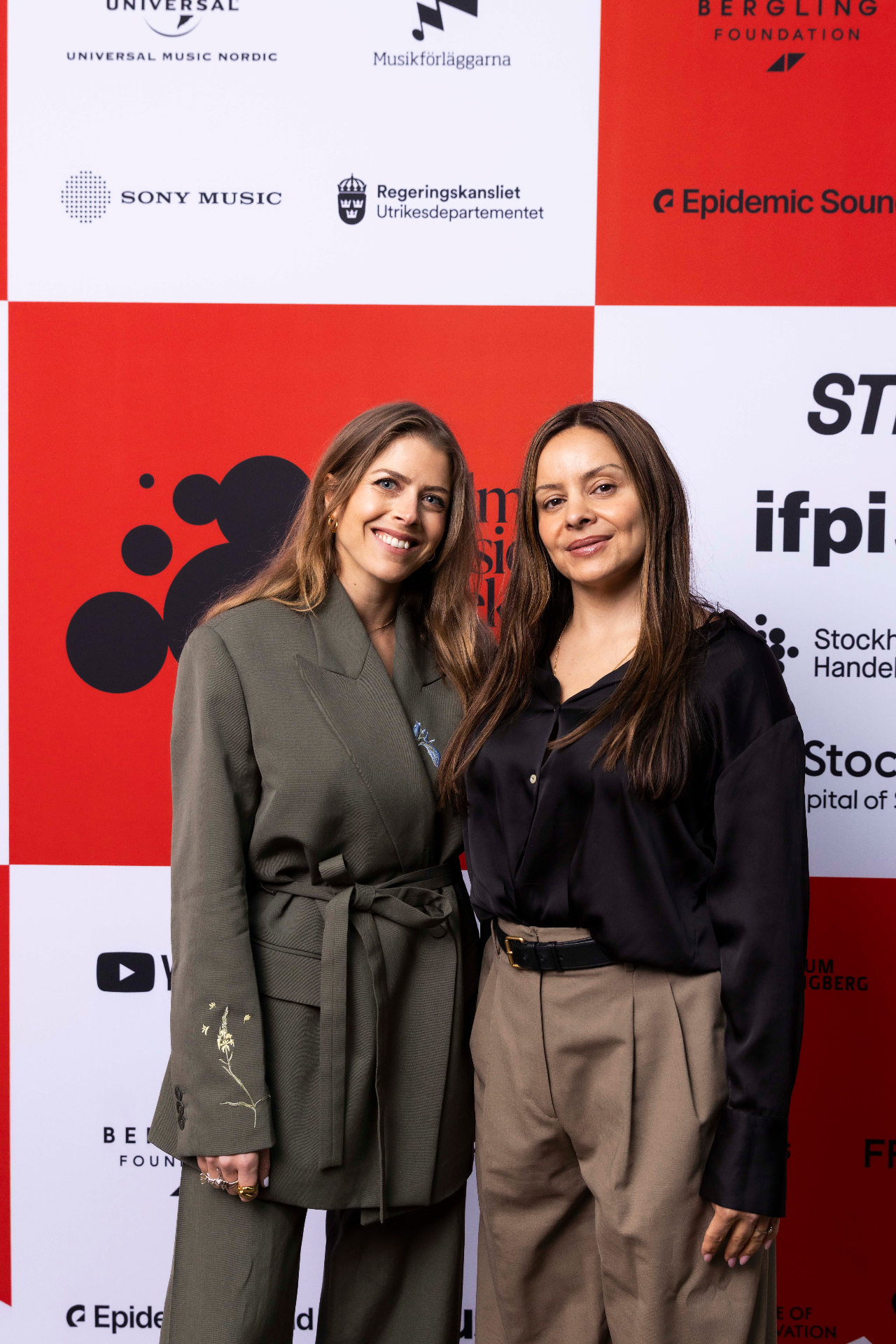
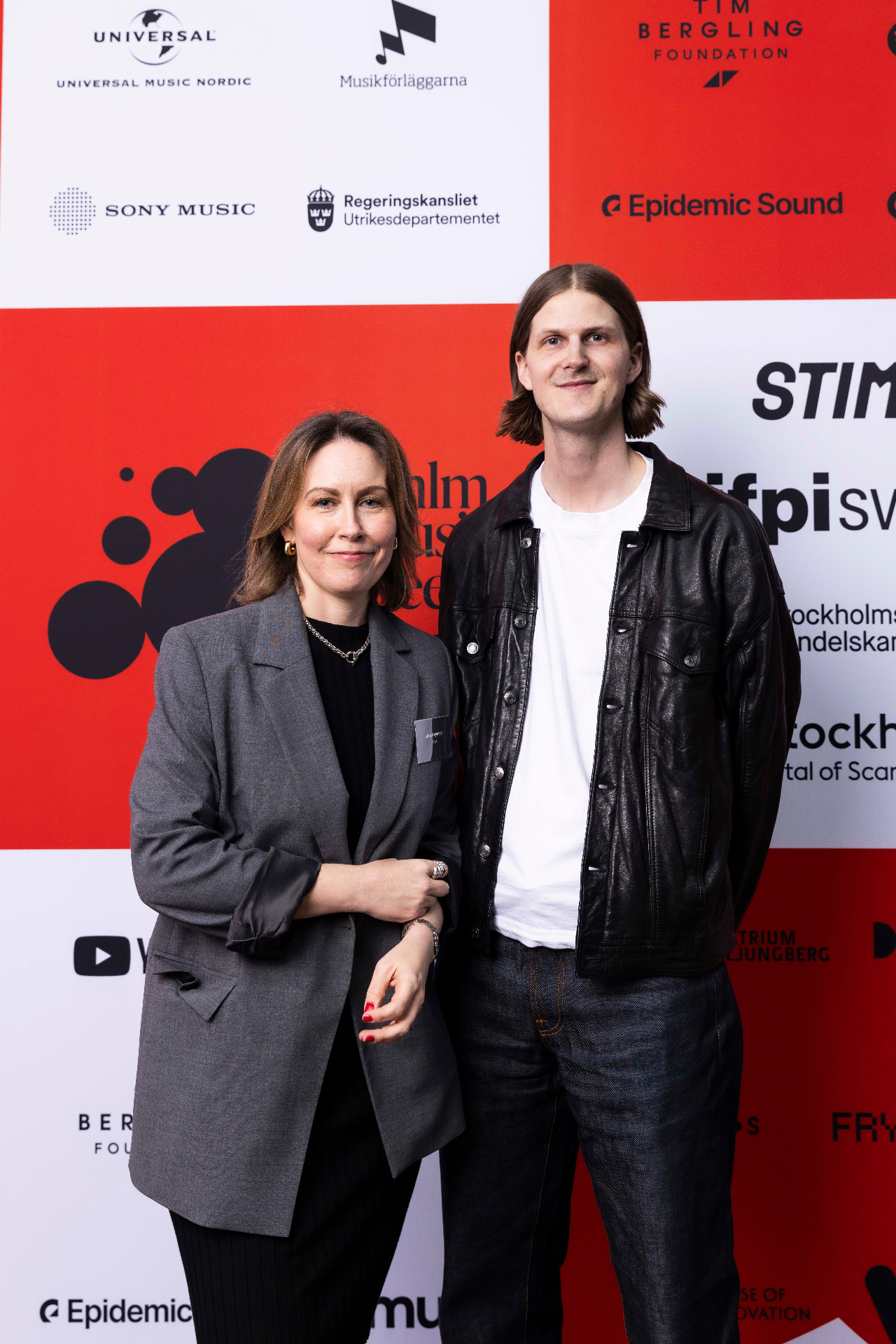
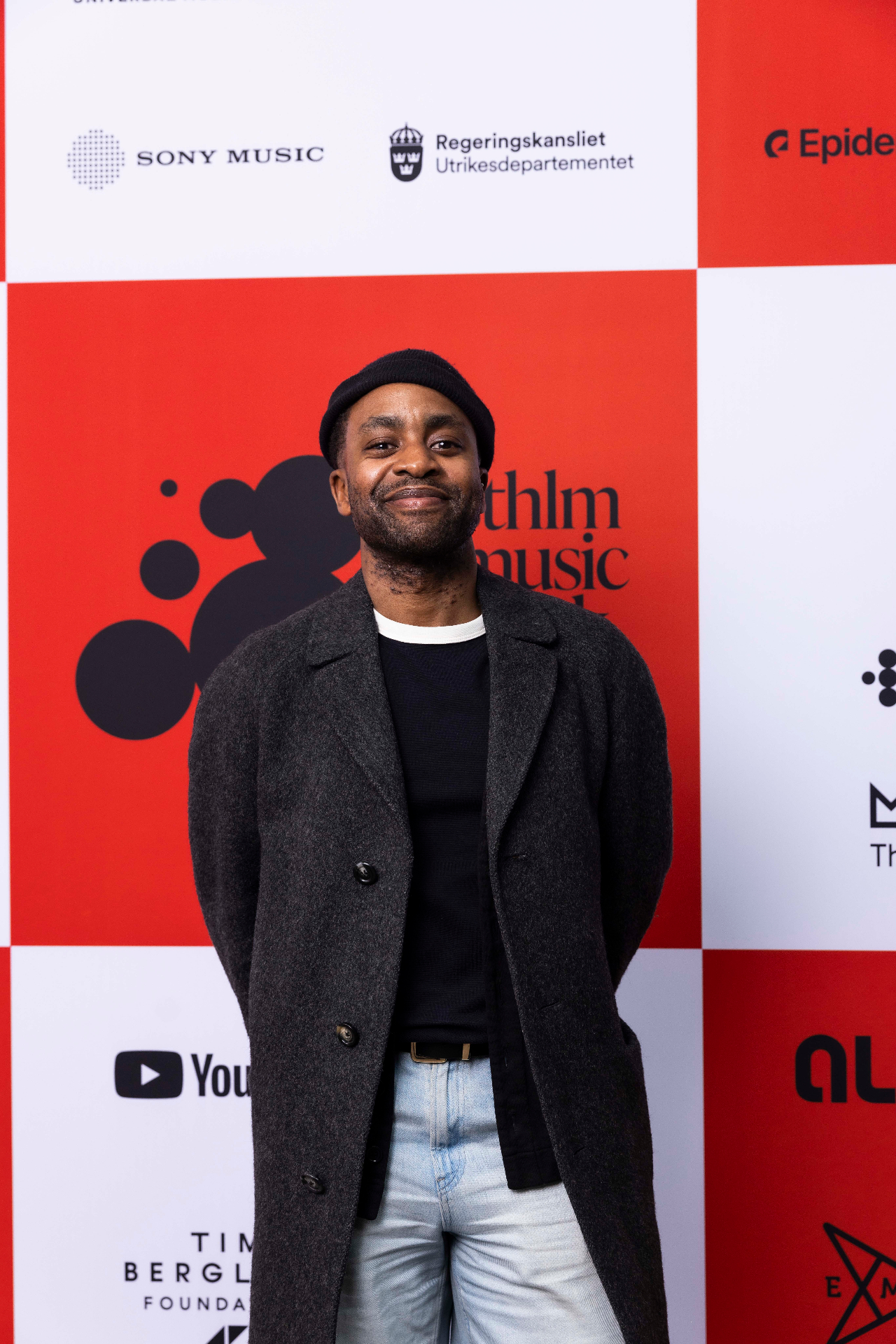
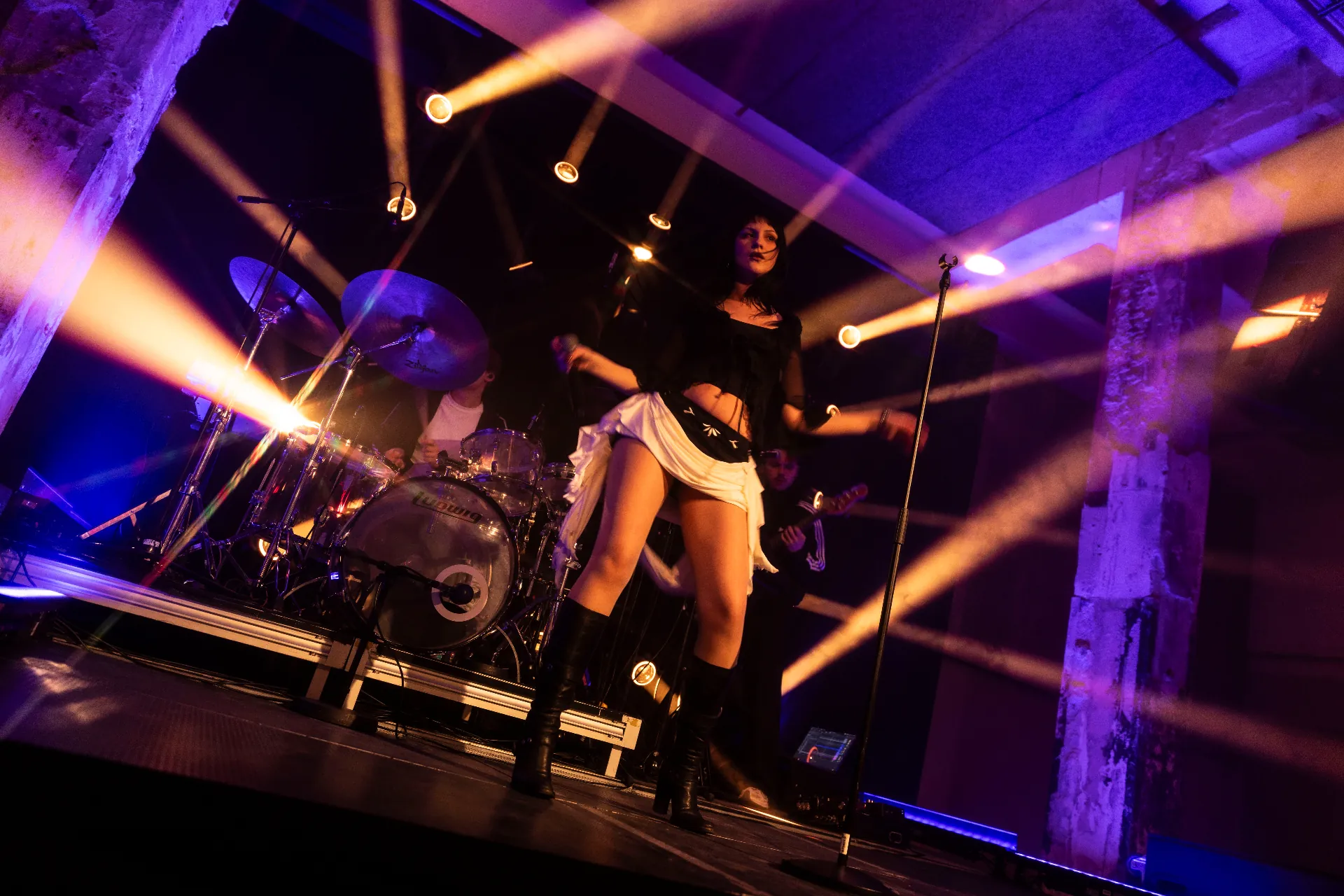
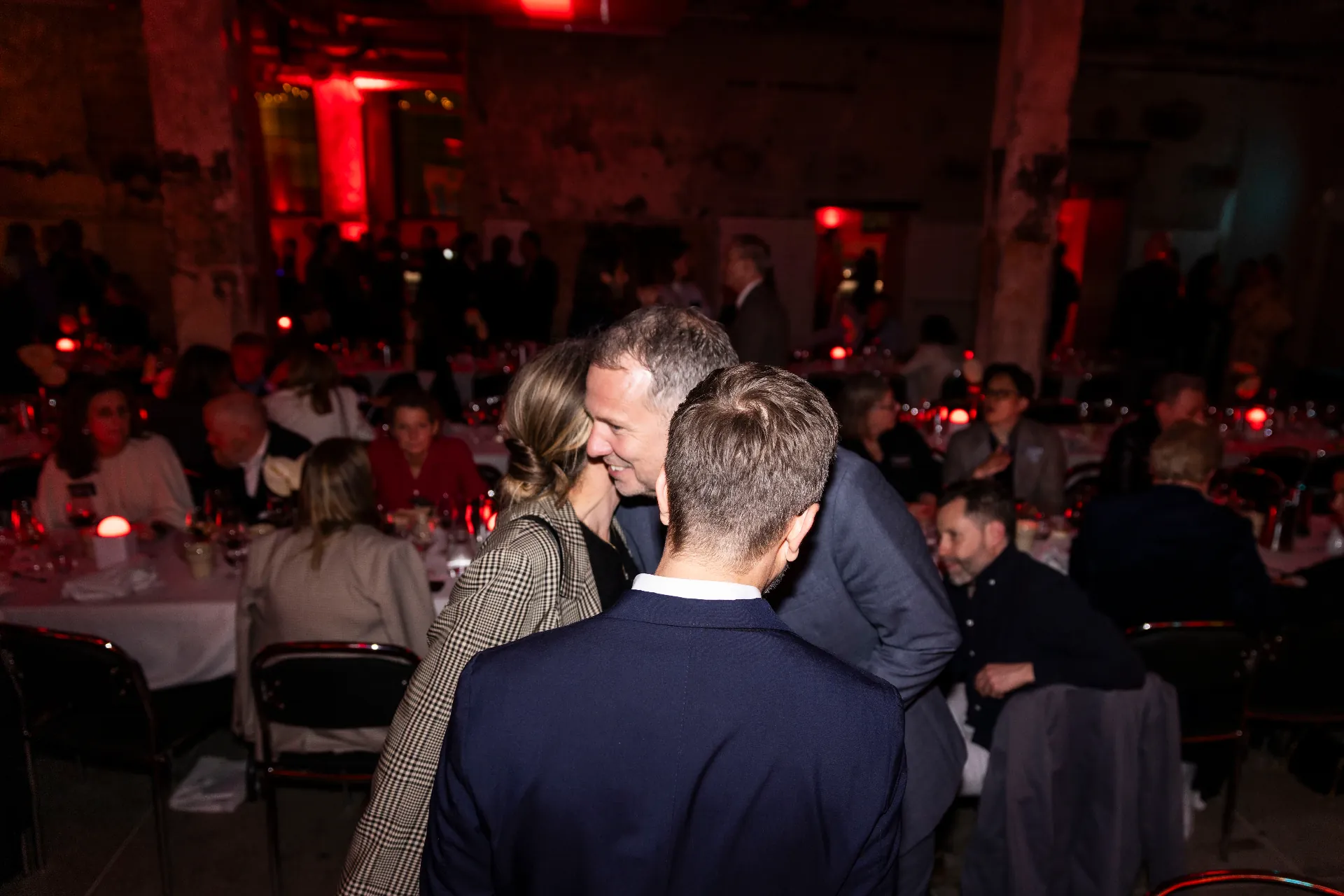
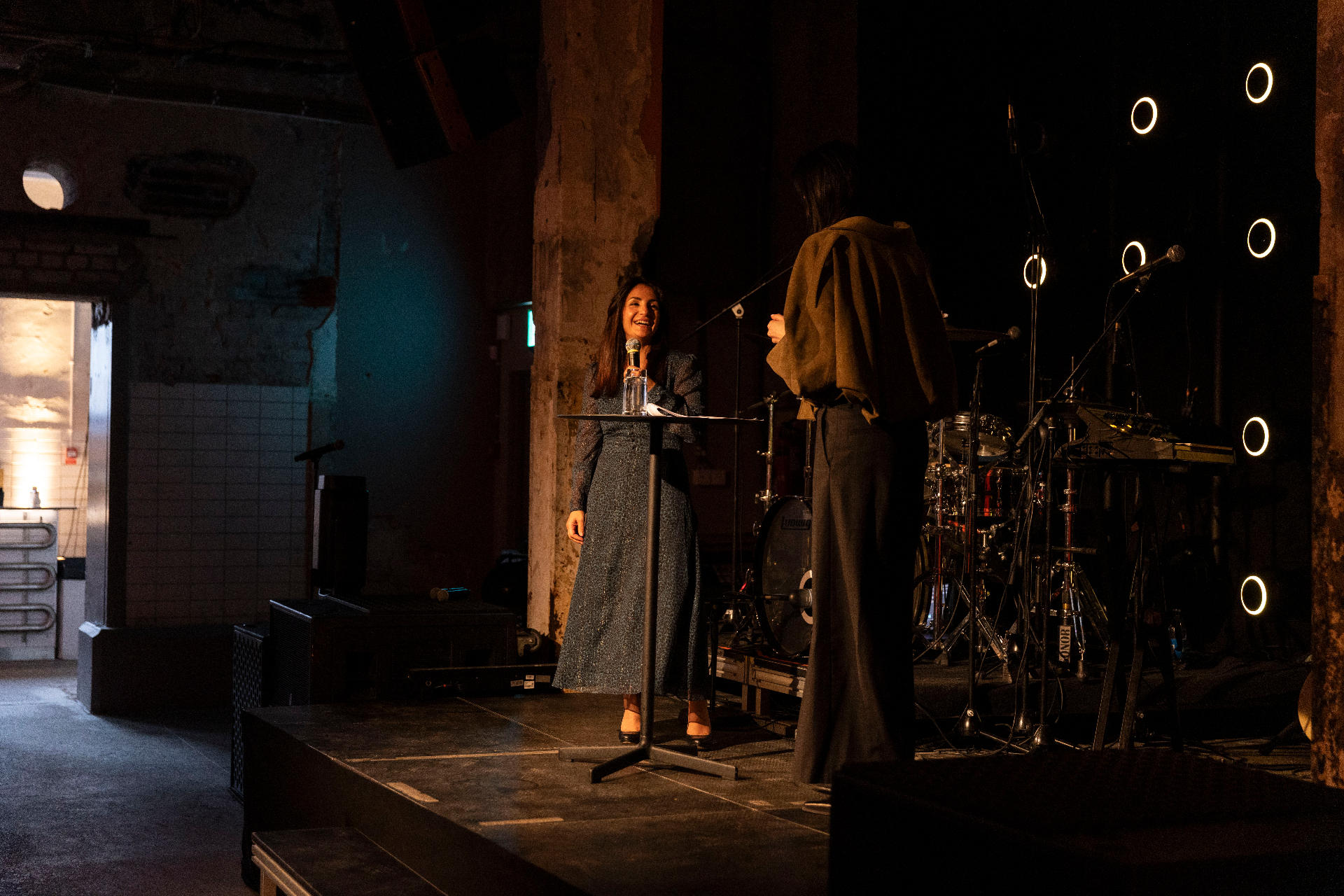
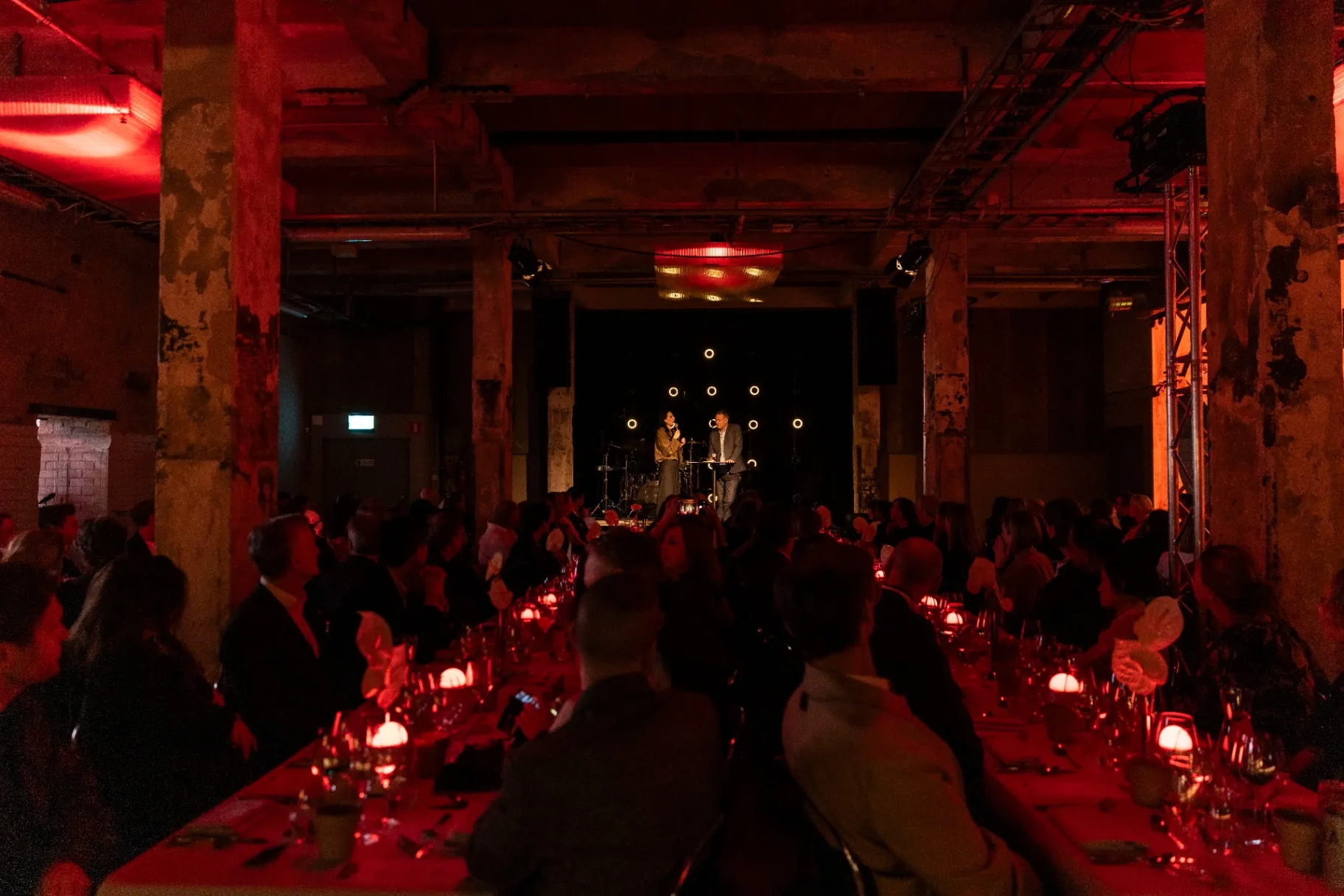
"I have worked in this industry for close to 40 years. This is the first time we have gathered like this." Ludvig Werner, Managing Director of IFPI Sweden, said it from the stage on Wednesday evening. 130 guests from close to 100 companies and organisations, the Swedish music industry in full, the city and the government beside it, and a South Korean delegation in the room. Olga Myko on stage. Speeches from the Minister for Culture and the Deputy Mayor. A first edition opening with one shared claim: Stockholm as the music capital of the world.
The room held 130 guests from close to 100 companies and organisations, gathered at Bar 15 in Slakthusområdet, and the Swedish music industry was there in full: labels and publishers, rights organisations and streaming platforms, producers, songwriters and artists. Seated at the same tables were the city and the government, the business schools, the founders and the capital. A South Korean delegation joined as well, representing one of only four net music-exporting nations in the world, alongside Sweden, the US and the UK. The press corps ran from Music Ally to The New York Times to Svenska Dagbladet, and Olga Myko, one of the more striking new voices coming out of Sweden and already traveling well beyond it, performed.
Johan Seidefors, Founder of Stockholm Music Week, and Daniella Waldfogel, CEO of the Stockholm Chamber of Commerce, opened the evening by putting words to what the room actually was. A commitment to the future, to Stockholm as the music capital of the world.
No other place on earth holds this density of songwriters, artists, producers, composers, platforms and music tech companies in one city the way Stockholm does. And it had never convened like this before. The dinner was a working session for an ecosystem meeting itself in full for the first time.
Stockholm is the music capital of the world.
That is Stockholm Music Week's claim, and the speeches of the evening carried it as a single thread. The natural home for the global conversation about music's future, and the insistence that saying so out loud is overdue.
Minister for Culture Parisa Liljestrand set the national stakes from the stage.
Sweden is the music capital of the world. For anyone interested in creating music, in producing it, in driving its innovation, this is the place to be.
Parisa Liljestrand, Minister for Culture
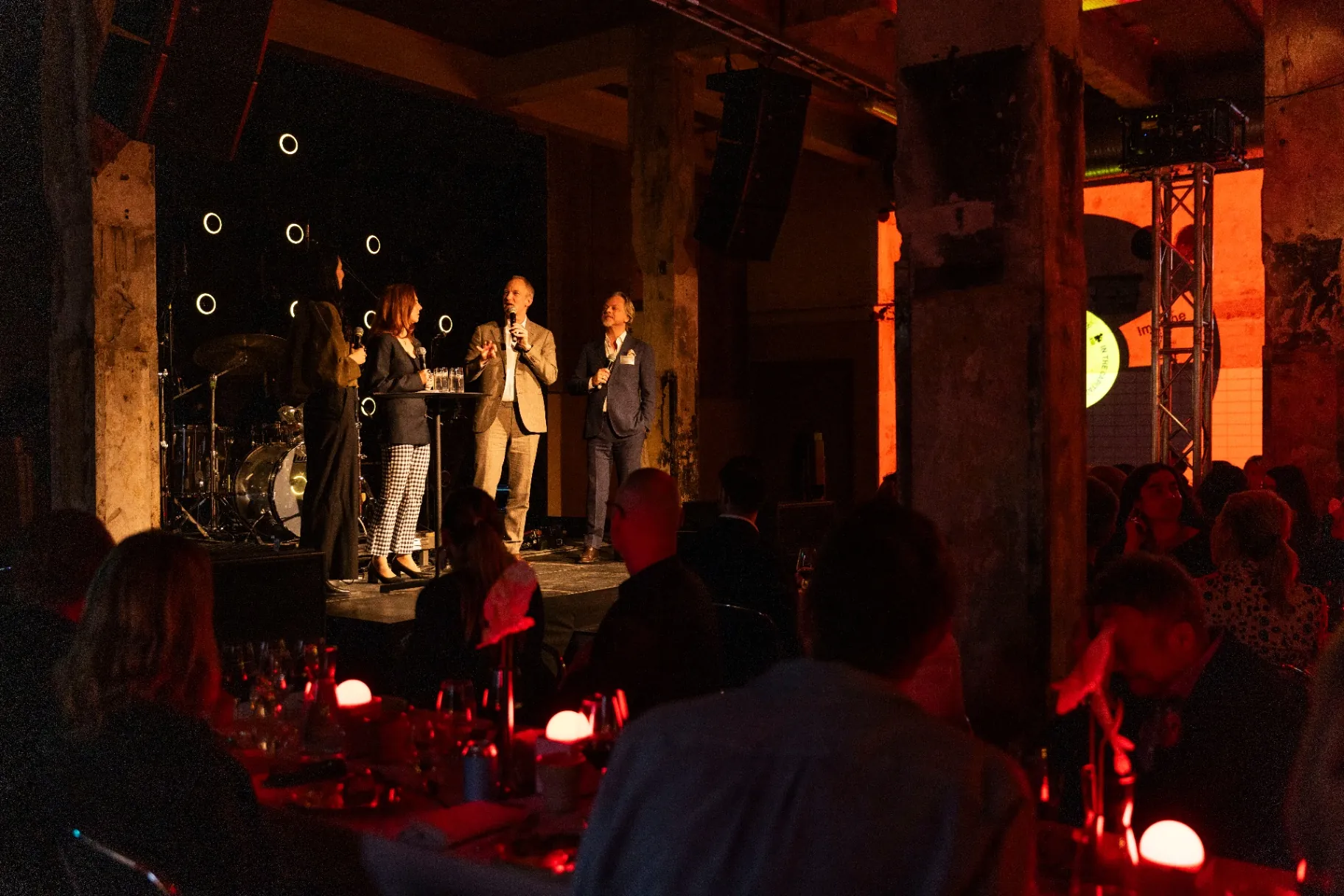
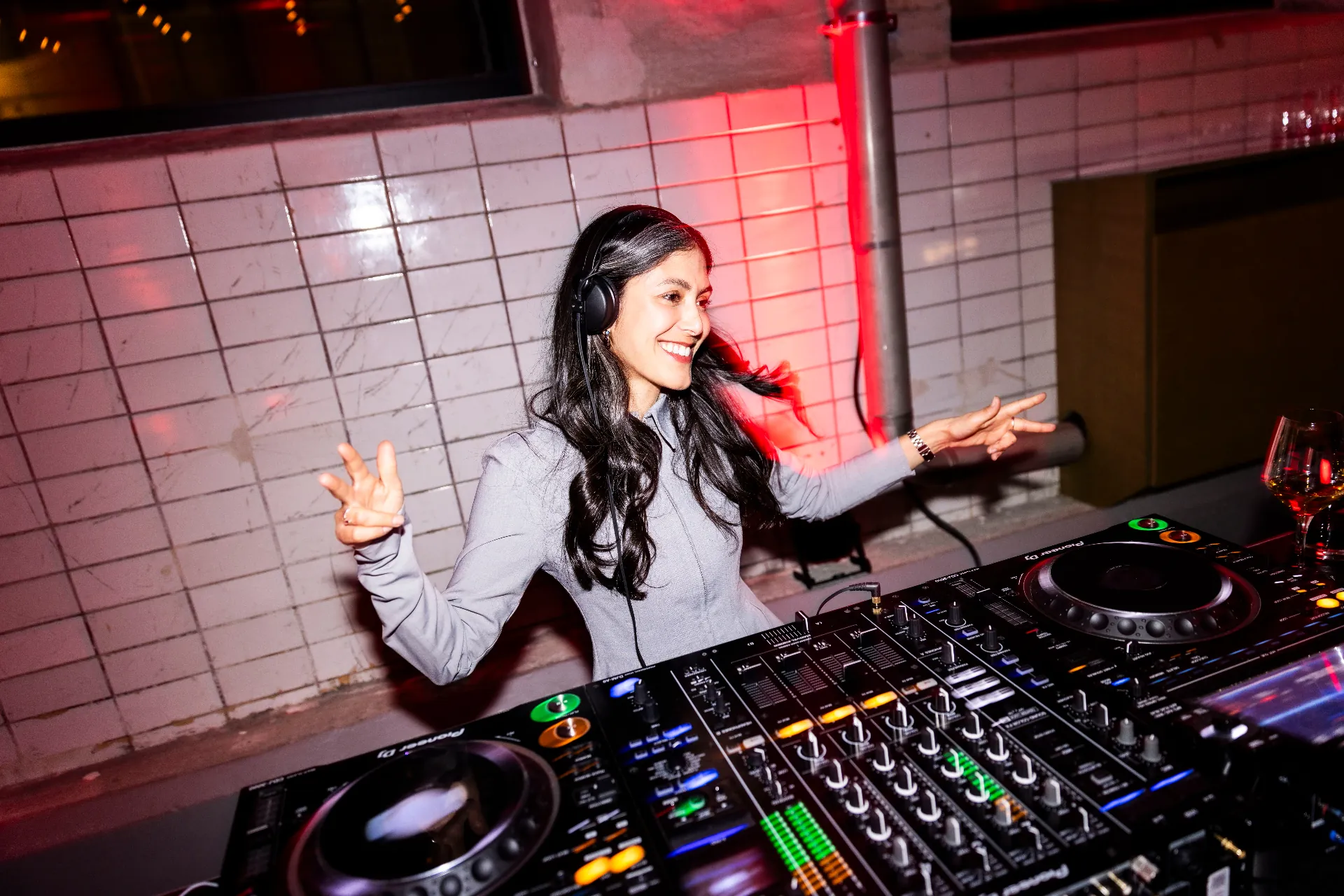
Emilia Bjuggren, Deputy Mayor of the City of Stockholm, picked up the thread on behalf of the city, underlining the importance of Stockholm Music Week going forward and signaling that the city stands behind the initiative and looks forward to building it together.
She also turned the conversation toward what sits beneath the industry, and what the city itself stands to gain.
We need to strengthen the roots, the culture schools, the rehearsal spaces, and we need initiatives like this one. They make Stockholm more attractive, more alive, more fun.
Emilia Bjuggren, Deputy Mayor of the City of Stockholm
Across the tables, much of the conversation was already turning to next year. To 2027, to the third edition, to what Stockholm Music Week looks like once it has settled into its place on the international calendar.
Parisa Liljestrand, Minister for Culture, addressed it from the stage.
One of the most important things about this initiative is that it is not a one-year perspective. This is just the beginning, and Stockholm Music Week has a bright future ahead.
Parisa Liljestrand, Minister for Culture
With that, the first ever Stockholm Music Week is underway.